





Chad has opened the process of revising its constitution with a preliminary vote on extending the presidential term and other institutional reforms, paving the way for a decisive legislative debate.
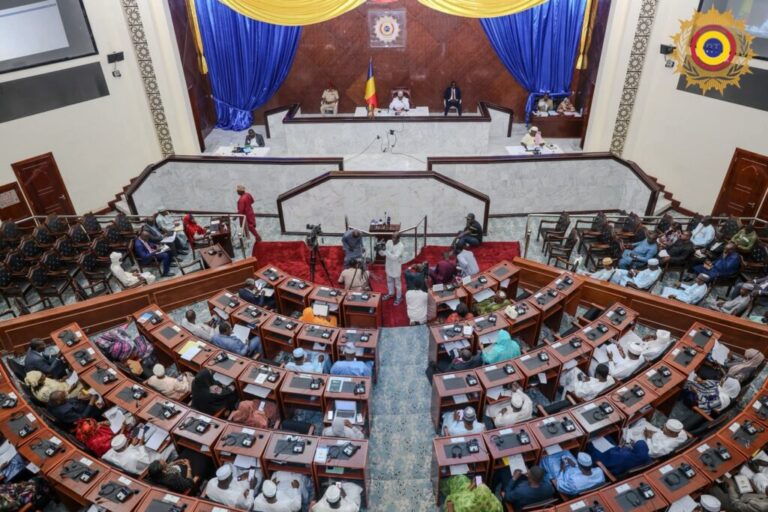
During a plenary session on Monday, the National Assembly approved the consideration of a constitutional bill introducing several political and institutional changes. While this initial vote does not yet amend the constitution of December 29, 2023, it clears the way for substantive debate in the weeks ahead.
At the core of the proposal is extending the presidential term from five to seven years, a move its supporters argue will strengthen institutional stability but which raises concerns over the balance between effective governance and limiting power concentration. Other key reforms include the creation of a vice-prime minister post and aligning the terms of deputies, senators, and local officials at six years to enhance political coherence.
The reform also addresses political practices, notably through the introduction of public funding for election campaigns, intended to reduce the influence of private money and foster fairer competition. Questions remain, however, about allocation methods and transparency safeguards. A symbolic yet notable change is the renaming of the “Ombudsman of the Republic” to the “Médiature of the Republic,” reflecting an effort at institutional moderniastion.
Another significant measure would hold government members accountable before ordinary courts for economic and financial crimes, reflecting growing public demands for political accountability. The reform package also introduces an annual summer recess for the president and prime minister, aligning institutional practices with international standards.
The final adoption of these amendments remains subject to a lengthy legislative process. After this first reading, the Senate must also examine the bill. Both chambers will then convene in congress on October 13 to decide, by a three-fifths majority, whether to endorse the revisions. Ahead of that, the congress will be formally installed on September 17, when a special commission will be tasked with drafting its internal rules.
The political debate is therefore just beginning. The coming weeks will be decisive in testing not only the level of consensus around these reforms but also the capacity of Chadian institutions to enact a constitutional revision presented as technical but potentially reshaping the country’s power architecture.
CA/ac/lb/as/APA