





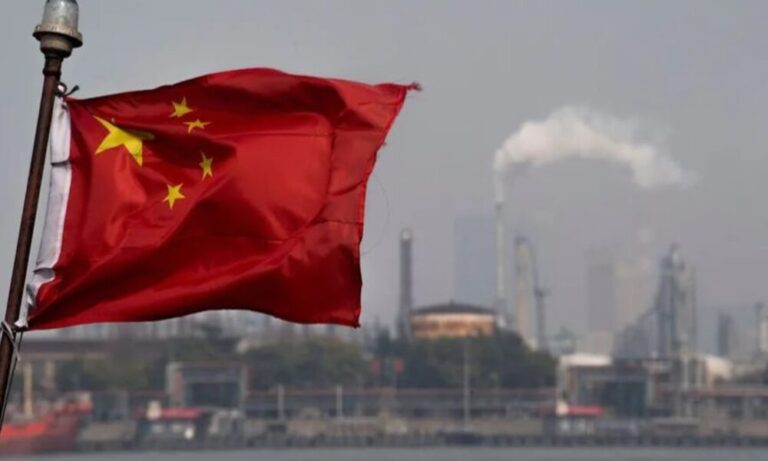
In response to escalating military tensions in the Middle East, China has directed its major refineries to temporarily suspend fuel exports and halt new contract signings.
The move, reported on March 5, 2026, follows Israeli and American strikes against Iran, which have severely disrupted global crude supplies and placed immense pressure on the Asian energy market.
The National Development and Reform Commission (NDRC) issued verbal instructions to refinery representatives to pause the export of refined products, including gasoline, diesel, and kerosene. This intervention is designed to protect China’s internal market balance as regional instability threatens its primary energy sources. Notably, the Middle East accounted for 57% of China’s direct crude imports in 2025. With the Strait of Hormuz currently closed to commercial shipping, Beijing is taking preemptive steps to avoid domestic shortages.
The regional market has reacted sharply to the supply concerns. According to data from the London Stock Exchange Group (LSEG), diesel refining margins have hit $49 per barrel, while kerosene margins have spiked to over $55—levels not seen in three years. While March shipments are largely expected to proceed as planned, the full effect of these export cuts will likely be felt by international buyers starting in April.
Within China, wholesale fuel prices are already climbing as distributors stockpile reserves. Between late February and early March, wholesale diesel prices jumped 13.5% to 7,276 yuan per ton, while 92-octane gasoline rose 11% in a single week.
To manage the crisis, major facilities—including Zhejiang Petrochemical and Sinopec’s Fujian unit—have already begun scaling back production. Despite the broad suspension, certain sectors remain exempt from the export ban to maintain critical infrastructure and regional commitments: Kerosene refueling for international flights remains operational. rations will continue.essential deliveries to Hong Kong and Macau are unaffected.
As the world’s largest oil importer, China typically manages these flows through a strict quota system. While the 2026 initial quota was set at 19 million tons, this temporary suspension suggests that national energy security is currently taking precedence over export revenue.
AK/te/fss/abj/APA