



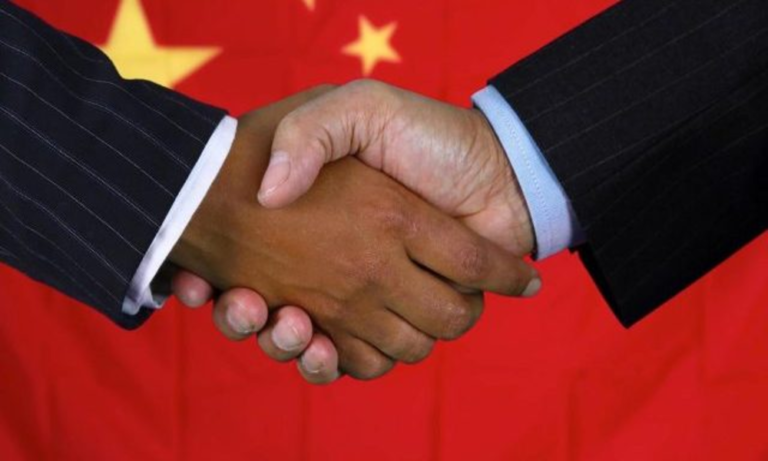
In a landmark move that reshapes global trade dynamics, China has announced the complete elimination of tariffs for 53 African nations, effective May 1, 2026.
This policy, confirmed by President Xi Jinping during the 39th African Union Summit in Addis Ababa, marks the most expansive trade concession Beijing has ever granted to the continent. By moving from a selective regime for least-developed countries to a near-continent-wide framework, China is positioning itself as a primary economic alternative for African exporters, especially as Western trade programs face increasing scrutiny or renewal uncertainties.
This initiative is designed to provide African products with unprecedented access to the world’s second-largest consumer market. By removing duties on 100% of tariff lines, Beijing aims to bolster Africa’s industrialization and export diversification. For many middle-income economies—such as South Africa, Kenya, Nigeria, Egypt, and Morocco—this change is particularly significant. Previously, their exports were subject to Chinese tariffs of up to 25%, but they will now gain duty-free access for the first time. The only exception on the continent is Eswatini, which maintains diplomatic ties with Taiwan.
A primary driver behind this policy is the need to address the structural trade imbalance between the two regions. In 2025, bilateral trade reached a record $348.05 billion, yet Africa’s trade deficit surged to over $102 billion, a 64.5% increase from the previous year. While China predominantly exports high-value machinery, electronics, and green technologies like solar panels, African exports remain heavily concentrated in low-value raw materials. The new zero-tariff regime is intended to incentivize the export of value-added goods, particularly in agriculture, where “green channels” will be expanded for products like Kenyan avocados and Ethiopian coffee, as well as in manufacturing and mineral processing.
Despite the removal of financial duties, experts caution that the policy’s success depends on overcoming significant logistical and regulatory hurdles. To fully capitalize on this estimated $1.4 billion annual tariff concession, African nations must align their products with strict Chinese quality, sanitary, and phytosanitary (SPS) standards. In response, Beijing has pledged further technical assistance and capacity-building programs to help African partners meet these technical requirements and improve infrastructure through the Belt and Road Initiative, ensuring that the zero-tariff entry translates into real market share.
DM/Sf/fss/abj/APA