





A new independent socio‑economic impact study has found that the Coca‑Cola system in South Africa generated R51.2 billion (about $3 billion) in value‑added economic activity in 2024 and supported more than 87,000 jobs across its local value chain.
The findings, released on Wednesday, were presented by The Coca‑Cola Company’s Africa operating unit president, Luis Felipe Avellar, during a media briefing hosted by Trade, Industry and Competition Minister Parks Tau ahead of the 2026 South Africa Investment Conference.
Conducted by global consulting firm Steward Redqueen, the study assessed the direct, indirect and induced economic effects of Coca‑Cola’s operations in the country.
It shows that for every direct job within the Coca‑Cola system, 10 additional jobs were supported through suppliers, distributors and retailers.
Avellar said the results underscored the system’s deep integration in the local economy.
“We hire locally, produce locally, distribute locally and, where possible, source locally, helping to build a stronger, more integrated economy in South Africa,” he said.
The study found that the system sourced R25.6 billion worth of goods and services from South African suppliers last year, supporting industries such as those involved in sugar production, packaging, transport and marketing.
Charl Goncalves, managing director of Coca‑Cola Peninsula Beverages, said the system remained focused on strengthening partnerships that create opportunities for workers, suppliers, and communities.
Coca‑Cola Beverages Africa chief executive Sunil Gupta said South Africa remained one of the company’s most strategic markets on the continent, noting that the findings reaffirmed the system’s role in driving shared value and sustainable growth.
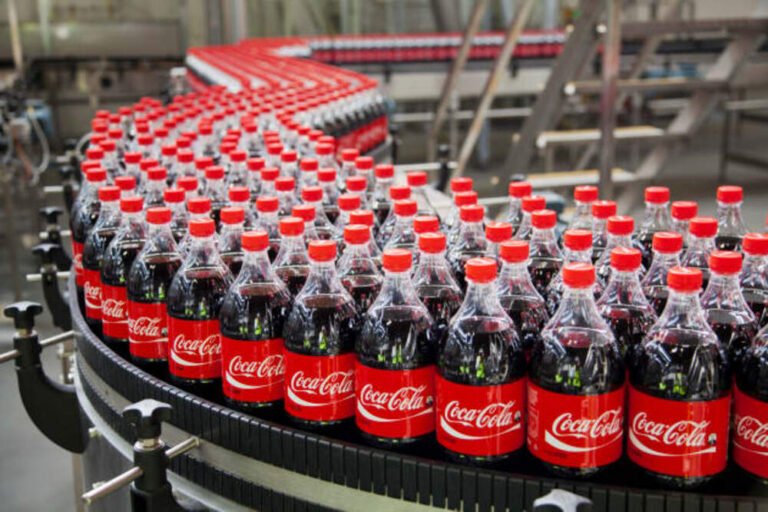
Coca‑Cola has recently expanded its local footprint, including through a new bottling line at its Midrand facility.
Beyond its economic contribution, the company highlighted its participation in the Africa Water Stewardship Initiative, a nearly $25 million programme running until 2030 to address water‑related challenges in 20 African countries, including South Africa.
JN/APA