



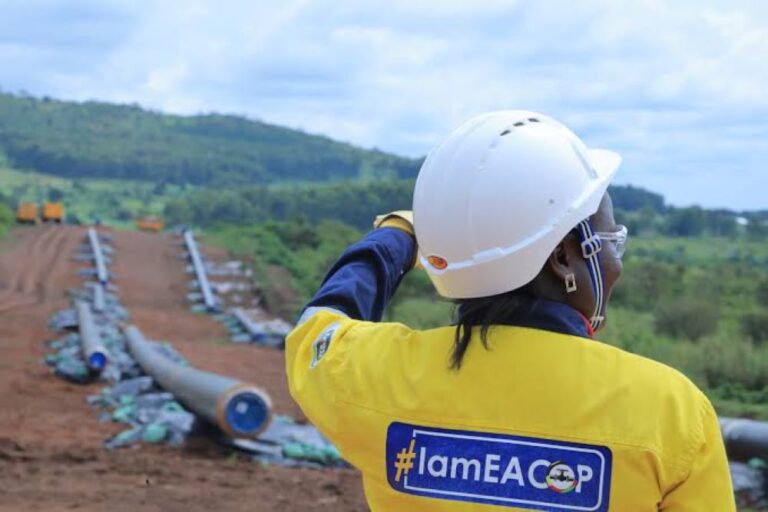
The opening of the East African oil pipeline has been pushed to June 2027 as the Petroleum Authority of Uganda blames disruptions in equipment deliveries from the Middle East war, including parts for metering, electrical instrumentation, and telecom systems.
The pipeline by the East African Community Oil Pipeline (EACOP) was due to open on October 1st.
Engineering experts say the oil fields, central processing facilities, the pipeline itself, pumping infrastructure, and export terminal all need to be competently tested and commissioned before Uganda can export any crude.
Observers say the latest postponement adds to a long history of missed deadlines for Uganda’s oil industry, with first oil originally expected around 2018 before successive targets were pushed back to 2020, 2025, 2026 and now 2027.
Earlier plans had put the first export cargo from EACOP in October 2026, but government officials now say the 1,443-kilometre pipeline will only be ready to receive crude by mid-December, while first commercial oil production has been pushed to before the end of June 2027.
For the communities affected by EACOP and campaigners who have challenged the project’s social, environmental and climate impacts, the delay provides another reminder that the project’s future is not predetermined.
While EACOP and political backers have been celebrating the near completion, even branding the expected oil as “Pearl Sweet”, the reality is that getting to commercial production means more than just laying pipe.
Campaigners warn that as oil majors shift deadlines, vulnerable communities may suffer from uncompensated land displacement, lost livelihoods, and climate crisis directly resulting from the project.
WN/as/APA