



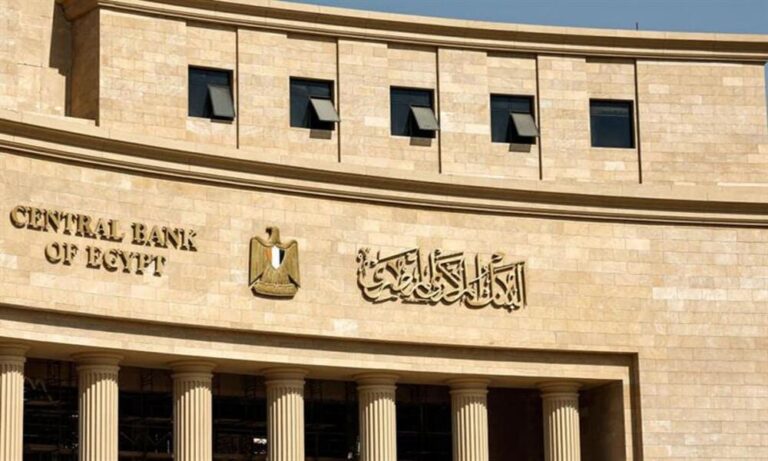
Egypt’s balance of payments recorded a deficit of $1.6 billion during the first quarter of the 2025/2026 fiscal year, representing a notable widening from the $991.2 million deficit reported during the same period last year.
According to the Central Bank’s report released on Wednesday, January 21, 2026, this overall deficit persists despite a significant 45.2% narrowing of the current account deficit, which improved to $3.2 billion. This progress was largely driven by a nearly 30% surge in remittances from Egyptians abroad, totaling $10.8 billion, and a 13.7% rise in tourism revenues, which reached $5.5 billion.
However, these gains were partially offset by a deepening oil trade deficit, which grew to $5.2 billion as import costs rose to $6.4 billion over the quarter. The financial landscape was further impacted by a shift in capital flows, with the capital and financial account recording a net outflow of $366.4 million. This stands in sharp contrast to the $3.8 billion net inflow seen a year earlier and reflects a strategic push toward debt reduction, as the country repaid more than it borrowed.
The Central Bank emphasized that external debt servicing was a major factor in these outflows, totaling $4.34 billion between July and September 2025. This heavy repayment schedule, combined with a slight cooling in foreign investor interest, underscores the challenges Egypt faces in balancing its commitment to debt reduction with the need to maintain foreign currency reserves. While the improvements in tourism and remittances provide a vital cushion, the rising cost of energy imports remains a significant hurdle for the nation’s broader economic recovery.
AK/ac/fss/abj/APA