



Cairo is significantly expanding its humanitarian efforts as the second phase of the Gaza agreement takes effect.
North Sinai Governor General Khaled Megawer announced that Egypt is now prepared to receive a steady stream of wounded Palestinians daily, providing a critical lifeline for a healthcare system in the enclave that has largely collapsed. Under the newly established protocol, Egypt has committed to receiving 50 wounded individuals every day, with each patient permitted to bring one or two family members as companions. This initiative targets not only those with traumatic war injuries but also patients suffering from chronic illnesses whose conditions have become life-threatening due to the lack of specialized care.
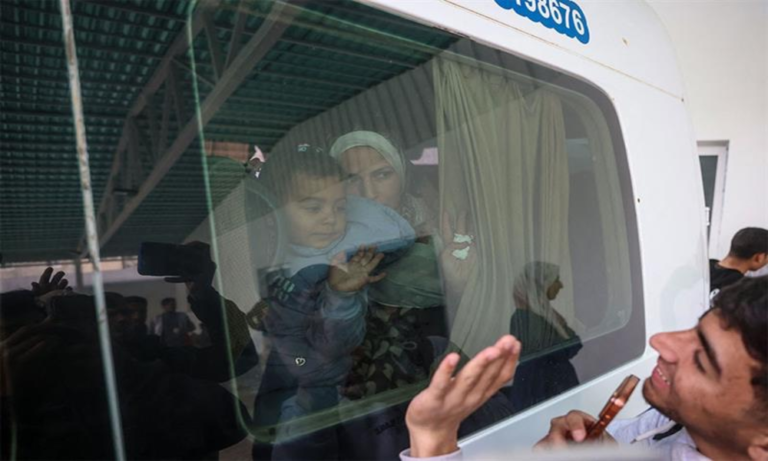
The process is designed as a circular humanitarian effort where new patients enter for treatment while those who have recovered are facilitated for return. Recently, 50 Palestinians who completed their medical programs in Egypt successfully crossed back into the enclave, making room for the next group of 50 patients and their 84 companions. To manage this influx, Egyptian authorities have mobilized a massive logistical operation, including a fleet of ambulances stationed permanently at the Rafah crossing to ensure immediate transfer to specialized medical facilities.
This phase also marks a shift in border management, as the Palestinian side of the terminal is now managed by the Palestinian Authority in coordination with a European Union monitoring team. While the Rafah crossing handles the movement of people, the majority of physical goods and humanitarian supplies continue to transit through the Karm Abu Salem crossing. These convoys undergo rigorous inspections according to a daily schedule set by Egyptian authorities to ensure the safe delivery of essential goods into the enclave.
The scale of the intervention remains massive, as World Health Organization estimates suggest that approximately 22,000 Palestinians are still in urgent need of various levels of medical attention. Currently, Egypt is hosting nearly 1,200 patients and companions, though Governor Megawer emphasized that their stay is temporary as most express a strong desire to return home once their health stabilizes. This organized medical corridor stands as a central pillar of the regional response to the ongoing health crisis, particularly for the most vulnerable populations including children and the elderly.
MK/AK/fss/abj/APA