





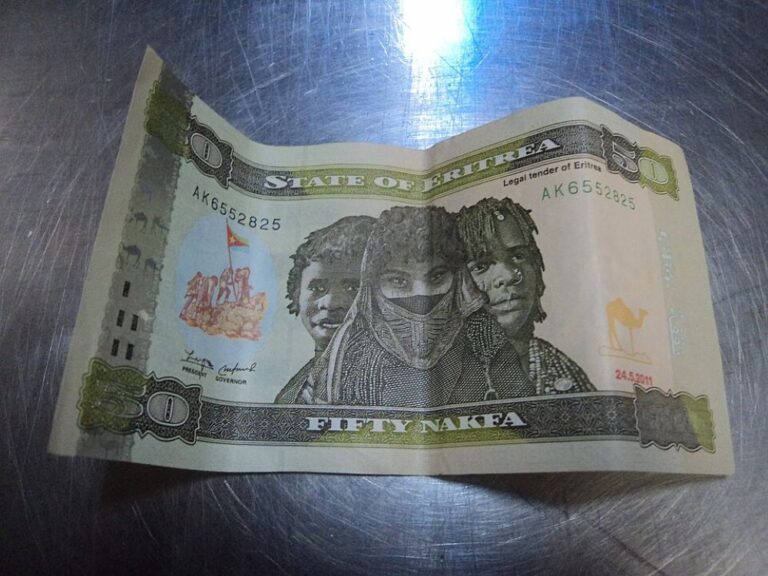
The Central Bank of Eritrea has issued a directive requiring all citizens and organisations to deposit all cash holdings in local currency (Nakfa) into commercial banks by the end of July, effective immediately.
The directive released earlier this week, prohibits the long-term holding of large amounts of Nakfa, Eritrea’s national currency, outside the banking system and warns that non-compliance will result in legal action.
Under existing regulations, Eritreans are permitted to withdraw no more than 5,000 Nakfa per month from their bank accounts.
Those without bank accounts have been instructed to open accounts and deposit their funds before the deadline.
The central bank warned that legal action will be taken against those who fail to comply, although it did not specify the nature of the penalties.
The new directive is widely seen as an effort to bring cash circulating outside the banking system back into official channels and strengthen state control over the money supply.
It also reflects Eritrea’s tightly controlled financial system, which regulates currency movement and banking activity
More than a decade ago, during a currency reform, authorities required citizens to deposit all cash into banks as part of the redenomination process. Officials said the move was intended to “control illegal money transfers and stabilize the country’s economy.”
Economists say these restrictions have significantly limited business activity and reduced financial flexibility for households, affecting daily transactions and economic activity.
MG/asAPA