



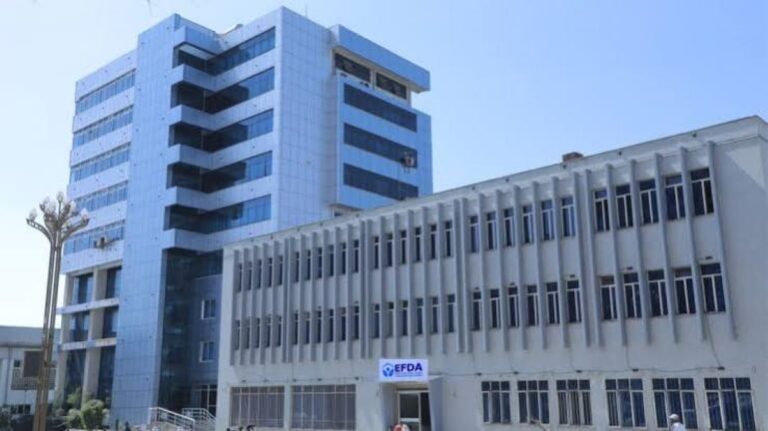
Experts from the Intergovernmental Authority on Development (IGAD), working alongside technical representatives from National Quality Control Laboratories (NQCLs) in East and Southern Africa, have designated the Ethiopian Food and Drug Authority’s quality control laboratory with an interim status.
It will therefore serve as a regional reference laboratory for the quality control and quality assurance of health products and technologies across the region.
The interim designation — awaiting a formal validation — was announced over the weekend following a five-day comprehensive evaluation aimed at strengthening regional health product regulation, bolstering continuous quality assurance, and expanding reliable access across participating nations.
Held from October 26–30 in Addis Ababa, the assessment brought together EFDA leadership, management and technical staff, as well as directors and technical representatives from NQCLs across East and Southern African countries participating in the Health Emergency Preparedness, Response and Resilience Multi-Phase Programmatic Approach (HEPRR-MPA), alongside regional technical experts.
The five-day gathering concluded with the adoption of a comprehensive readiness assessment report and scorecard, a gap analysis matrix, a risk assessment and mitigation plan, and a prioritised operationalisation roadmap specifying actions, timelines, responsible institutions, and resource requirements.
The findings were on Friday discussed with EFDA management and laboratory process owners before the report is finalised and shared with directors of the participating countries’ National Quality Control Laboratories.
The report is expected to support consideration of the laboratory’s recognition as a Regional Reference Laboratory through the Regional Advisory Committee (RAC) of the Health Emergency Preparedness, Response and Resilience Programme.
Once operationalised, the laboratory is expected to provide specialised testing services, strengthen cross-country sample referral and retesting of disputed results, coordinate proficiency testing, facilitate knowledge sharing, and support workforce development, it was noted.
The initiative also envisages helping participating countries strengthen their national quality control laboratories, progress towards World Health Organization (WHO) Global Benchmarking Tools Maturity Level 3 and relevant accreditation pathways, and improve their capacity to detect and prevent substandard and falsified medical products.
Through this process, IGAD, the East and Horn of African bloc, and its partners aimed to bolster regional laboratory networks, promote regulatory reliance, and harmonise laboratory practices, ultimately contributing to better protection of public health and improved access to quality-assured health products and technologies across the region.
MG/as/APA