





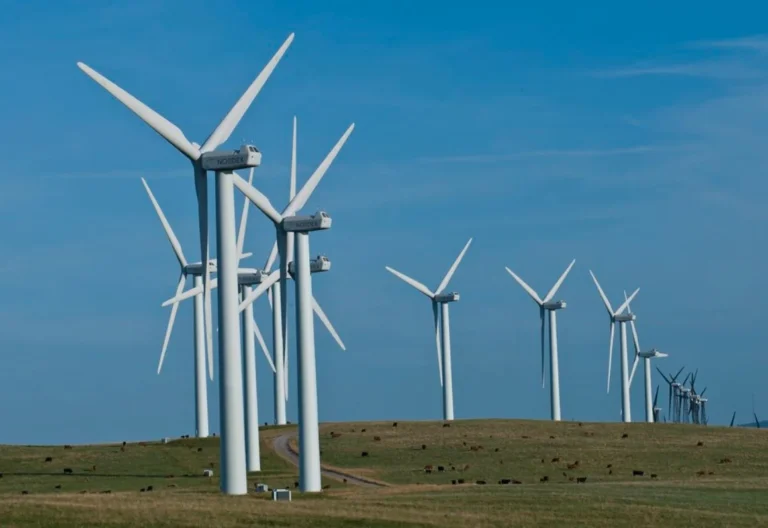
Ethiopia has inaugurated a new wind farm plant with installed capacity of generating 80 megawatts (MW) of electricity.
The inaugural ceremony for what is the biggest wind farm in the region drew regional leaders from East Africa.
East Africa’s second largest economy is fast becoming a pacesetter in the region’s renewable energy landscape, an important element in powering growth.
The Ethiopian government has made it a policy for its quest for alternative sources of energy to be in locked steps with that of its neighbours.
The Grand Ethiopian Renaissance Dam is a shining example of an ambitious Ethiopian project with a regional outreach. Despite opposition from Egypt over misgivings about its share of water from the Nile, Ethiopia’s neighbours have by and large tacitly approved its use of the world’s longest river to generate power.
True to this spirit of shared destiny, Prime Minister Abiy Ahmed presided over the inauguration of the wind farm plant along with Djiboutian President Ismail Omar Guelleh and Somali President Hassan Sheikh Mohamud.
The plant is located in Sitti zone in Ethiopia’s Somali regional state, 680 kilometers east of Addis Ababa, the capital.
Launched in 2017, the over $257 million Aysha-II Wind Power Plant will have a total installed capacity of 120 megawatts, with 80mw from its first phase already connected to the national grid.
Almost 100 percent of Ethiopia’s power source comes from renewable sources, with hydropower accounting for the bulk of supply.
“I would like to extend my gratitude to the Ethiopian Electric Power (EEP), Dongfang Electric International Corporation, a Chinese company that undertook the project and the people in the region for their contribution for the successful completion of the first phase of the project,” Ahmed said.
PM Abiy noted that clean energy development in Ethiopia would foster regional integration and cross-border connectivity. He said therefore Ethiopia’s strides towards growth and energy development cannot be guaranteed without cooperation with its neighbours whose leaders shared the honour of presiding over the occasion.
Ethiopia’s longterm aim has been to the main sources of clean, renewable energy to its Horn of Africa neighbours, exporting power and contributing to decarbonisation in the region.
Upon completion, the Aysha II wind power plant will feature a total of 48 windmills and thirty-two of them have now become operational, each generating 2.5MW of electricity.
Moges Mekonnen, Communication Director of Ethiopian Electric Power (EEP) told APA that Dongfang Electric International Corporation has introduced new technologies and designs that have never been used in the first three wind-farm projects in the country.
“Each windmill at the Aysha II wind power project has a generating capacity of 2.5 MW at maximum, which is at least 1 mw higher than the generating capacity of each windmill at other wind farms in the country,” Mekonnen said.
MG/as/APA