





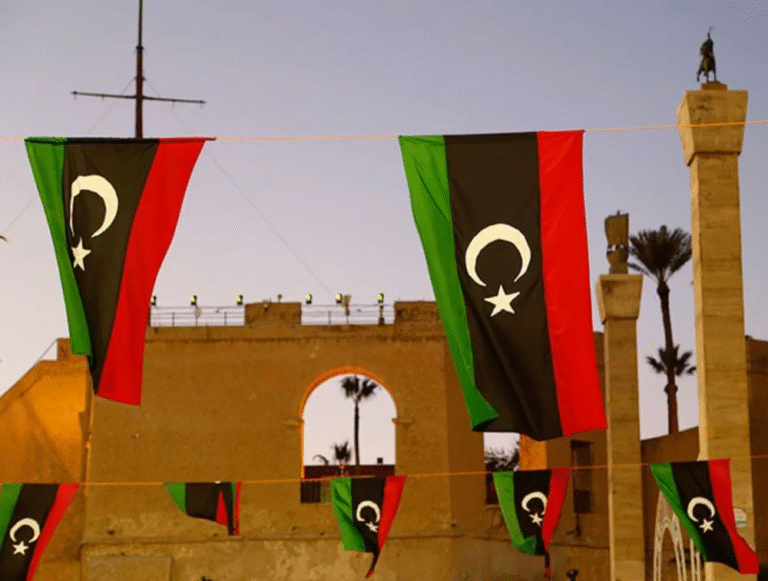
Greece, Italy, and Malta are pressuring Brussels for a coordinated and robust response to the escalating instability fueled by the ongoing crisis in Libya.
Their urgent call comes ahead of a meeting of European foreign ministers.
Two primary concerns are driving this appeal: a surge in migration flows towards Europe and the increasing involvement of foreign powers, particularly Russia and Turkey, in Libya’s internal affairs.
Italy is alarmed by a reinforced Russian naval presence in the Eastern Mediterranean, bolstered by Moscow’s support for Marshal Haftar. Greece, meanwhile, condemns the maritime agreements between Ankara and Tripoli, viewing them as a direct threat to its energy interests. Malta expresses concern over the lack of a cohesive European response as migrant departures from Libya intensify. While a senior European official attempted to downplay these concerns by suggesting the Libyan issue would be addressed from a broader perspective than just migration, several Global South countries deemed this stance insufficient. They argue that chronic instability in Libya directly compromises the EU’s security and energy autonomy.
This latest plea highlights a deeper unease within the European Union. Brussels faces a stalled Libyan political process, persistent divisions between rival factions, and a perceived loss of influence to other international actors. As migration and energy security become increasingly critical issues, pressure is mounting on the EU to redefine its strategy in the Central Mediterranean.
MK/te/Sf/fss/abj/APA