





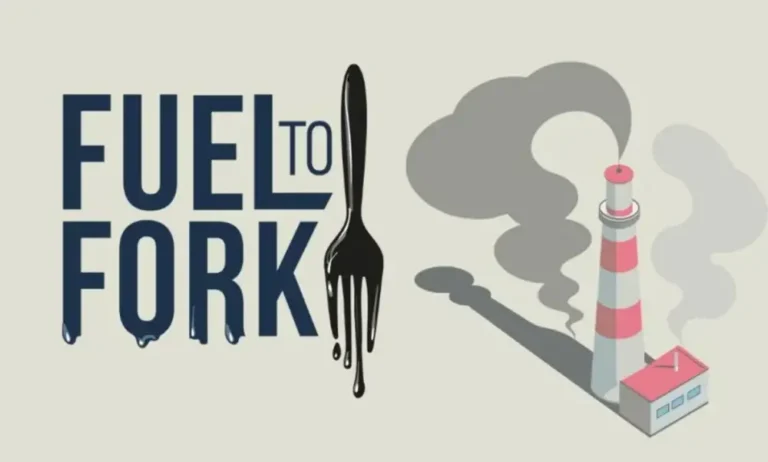
Surging global oil prices are reigniting alarms about the profound dependence of the world’s food systems on fossil fuels, according to a new report by the International Panel of Experts on Sustainable Food Systems (IPES-Food).
The study, aptly titled “Fuel to Fork,” reveals that a staggering 40% of the world’s petrochemicals are currently consumed by food systems. This consumption is primarily driven by the production of synthetic fertilizers and plastic packaging. The authors criticize the “invisibility” of this crucial link in international climate commitments, noting that the food sector is becoming a major driver of oil demand precisely when other industries are beginning their energy transitions.
Amidst ongoing geopolitical instability and the escalating conflict between Israel and Iran, the report issues a stark warning of an impending surge in food prices, which are tightly correlated with energy costs.
Experts are calling for an urgent disengagement between food production and fossil fuels to avert a global food crisis. 99% of nitrogen fertilizers and pesticides are derived from fossil fuels. One-third of all petrochemicals produced are used to manufacture these fertilizers. Food packaging alone accounts for over 10% of global plastic consumption.
The report identifies current industrial solutions, such as blue ammonia fertilizers and digital agriculture, as costly, environmentally risky, and ultimately reinforcing reliance on oil.
IPES-Food advocates for a fundamental shift towards agroecology, the relocation of food supply chains, and the elimination of fossil fuel subsidies. These proposals are particularly aimed at influencing discussions during the upcoming COP30 summit in Brazil.
“The global food system is now one of the main growth drivers for oil companies,” warns Errol Schweizer, an IPES-Food expert. “Yet it remains largely absent from climate negotiations.”
The experts conclude that sustainable, fossil-fuel-free food systems already exist, often championed by indigenous and peasant practices. They urge governments worldwide to invest in these more sustainable models to ensure equitable food access in a world confronting the climate crisis.
TE/fss/abj/APA