



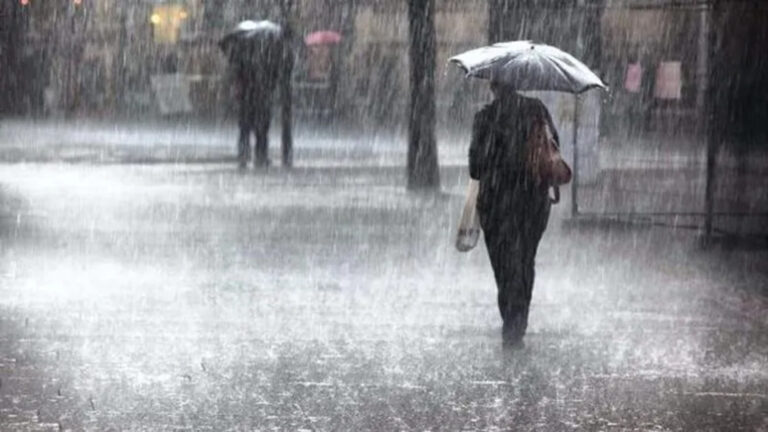
Southern Africa is expected to receive mostly normal to above-normal rainfall during the 2025/26 rainy season, according to the latest climate outlook released Thursday by the Southern African Regional Climate Outlook Forum (SARCOF-31).
The forecast, developed by climate experts from national meteorological and hydrological services across the Southern African Development Community (SADC), was officially unveiled by Edson Nkonde, Zambia’s permanent representative to the World Meteorological Organisation and director of the Zambia Meteorological Department.
The SARCOF-31 statement indicates that most of the region will experience favourable rainfall conditions between October and December 2025, except for the western fringes of Namibia and the island states of Comoros, Madagascar, Mauritius and Seychelles, which may see below-normal rainfall.
“The period of January to March (JFM) 2026 period is expected to have normal to above normal rainfall for most of the region except for northern parts of the region (Angola, DRC and Tanzania) where normal to below normal rainfall is expected,” the statement said.
“Above normal rainfall is expected in the southwestern parts of the region while the bulk of Madagascar, Mauritius and Seychelles are expected to receive normal to above rainfall with Comoros receiving normal to below normal rainfall during the JFM 2026 period.”
Temperatures across the SADC region are projected to remain above historical averages throughout the season, with the exception of some central areas.
The climate outlook also notes that the El Niño–Southern Oscillation is expected to transition into a weak La Niña phase, while the Indian Ocean Dipole is forecast to shift from neutral to negative and back to neutral by season’s end.
The El Niño phenomenon is associated with drought conditions in SADC while La Niña brings heavy rains to the region.
The SARCOF-31 outlook, developed with support from the SADC Climate Services Centre and global climate partners, provides guidance for regional planning in agriculture, water management, disaster preparedness, and public health.
The forum, hosted in the Zambian capital Lusaka, brought together climate scientists, policymakers and stakeholders to strengthen regional preparedness and resilience in the face of increasing climate variability.
JN/APA