



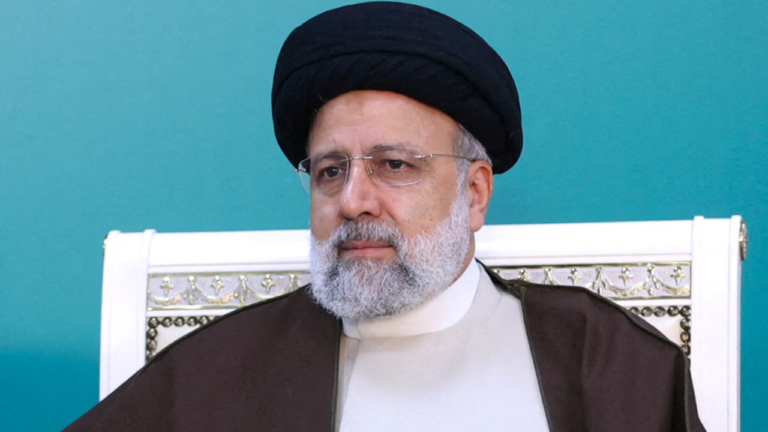
Mojtaba Khamenei’s quiet rise to Iran’s highest office has thrust a largely unseen figure into the centre of a nation reeling from war and political shock.
His appointment as supreme leader, announced by Iranian state media at the weekend, comes days after his father, Ayatollah Ali Khamenei, was killed in the opening wave of US‑Israeli strikes on Tehran – an escalation that has plunged the region into its most dangerous confrontation in decades.
The 56‑year‑old cleric inherits power at a moment when Iran’s political system, military command and regional alliances are under intense strain.
Yet the man now expected to steer the Islamic Republic through its gravest crisis remains, to most Iranians and the outside world, an enigma: rarely photographed, never elected, and almost entirely absent from public life.
Born in Mashhad in 1969, Mojtaba is the second of the late Ayatollah’s six children.
He attended Tehran’s Alavi School before brief stints in the Iran‑Iraq War as a teenager.
In 1999 he moved to Qom to pursue advanced religious studies, only adopting clerical dress at that stage.
Unlike his father — a public political figure long before becoming supreme leader — Mojtaba has never held formal office, delivered major speeches or granted interviews.
But his lack of visibility has never meant a lack of influence.
For years, diplomats, analysts and even insiders have described him as a key gatekeeper to his father, shaping access, messaging and internal power balances.
WikiLeaks cables once referred to him as “the power behind the robes,” portraying him as a capable political operator with deep ties to the security establishment.
That reputation now fuels the central question surrounding his succession: does Mojtaba represent a generational shift or the consolidation of a system he has already helped manage from the shadows?
His elevation comes at a time when Iran’s leadership structure is being tested by the ongoing US‑Israel war on Iran – a conflict that has targeted military infrastructure, political leadership and strategic assets across the country.
The strikes that killed Ayatollah Khamenei shattered the assumption that the supreme leader’s office was untouchable, forcing the Islamic Republic to confront both external attack and internal uncertainty simultaneously.
Supporters of the new leader argue that his deep familiarity with the state’s inner workings will provide continuity at a moment of national peril.
For now, Mojtaba Khamenei steps into a role defined by immense authority but also unprecedented vulnerability.
Whether his secrecy has masked a reformist instinct or simply preserved the old guard’s instincts remains unclear.
What is certain is that Iran’s next chapter – in war, diplomacy and domestic politics – will be shaped by a man the country is only now beginning to see.
JN/APA