





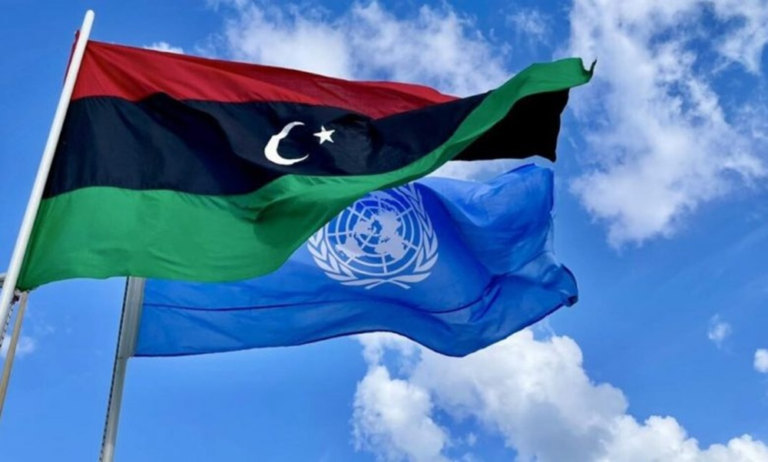
The Libyan High Council of State (HCS) approved a restructuring of the “6+6” committee responsible for electoral laws during a session chaired by Mohamed Takala on Wednesday, May 6, 2026.
The new configuration reduces the body to six members, drawing equally from the previous committee and a more recent structure established by the Council’s presidential bureau. In addition to this streamlined committee, the HCS approved the creation of an expanded 15-member working group representing various electoral districts, specifically designed to open a direct communication channel with the House of Representatives (HoR) to coordinate on a bilateral electoral framework.
During the discussions, Takala emphasized that the changes were driven by a need for organizational efficiency and internal cohesion rather than individual targeting, particularly as the UN-facilitated political process continues to face institutional gridlock. Despite the stated push for unity, internal friction was evident as Adviser Abduljalil Al-Shawesh was reportedly barred from the meeting, an incident he linked to his support for a separate “unified budget agreement.” This move to create a leaner, more operational format for drafting electoral laws reflects a renewed attempt to break the long-standing deadlock over Libya’s political transition, even as persistent institutional divisions threaten to complicate international mediation efforts.
MK/AK/te/Sf/lb/abj/APA