





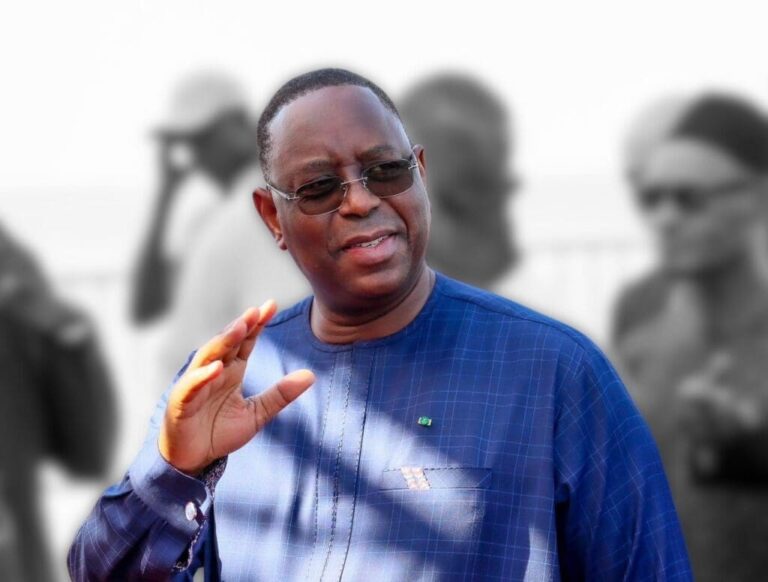
The race to succeed António Guterres has officially widened as former Senegalese President Macky Sall formally submitted his candidacy for the position of United Nations Secretary-General.
On March 2, 2026, Burundi officially notified the UN of Sall’s nomination, fulfilling the requirement that a member state must sponsor any individual vying for the world body’s top diplomatic post. This move carries significant weight as it was submitted by Burundian President Évariste Ndayishimiye in his capacity as the current Chairperson of the African Union, signaling unified continental support for Sall’s bid.
Macky Sall, who led Senegal from 2012 to 2024, joins a growing field of high-profile candidates in a selection process that is increasingly focused on transparency and regional rotation. While the position traditionally rotates among global regions, there is a strong push this cycle for a representative from Latin America or Africa, especially as the UN faces calls to appoint its first-ever female leader. Sall’s entry follows the formal nominations of Argentine diplomat Rafael Grossi, the current head of the International Atomic Energy Agency, and former Chilean President Michelle Bachelet, who has received joint backing from Chile, Brazil, and Mexico.
The selection process is governed by strict procedural milestones, beginning with “interactive dialogues” scheduled for the week of April 20, 2026. During these public hearings, candidates will present their vision statements and answer questions from UN member states. Following these sessions, the 15-member Security Council will conduct a series of secret “straw polls” to gauge support among the world’s major powers. Any candidate must ultimately secure a recommendation from the Security Council—requiring at least nine votes and no vetoes from the five permanent members—before a final procedural vote by the General Assembly.
With Guterres’ term set to expire on December 31, 2026, the next Secretary-General will assume office on January 1, 2027. Sall’s candidacy has already sparked diverse reactions; while supporters point to his extensive diplomatic experience and leadership of the African Union, critics in Senegal have raised questions regarding his domestic fiscal record. As the campaign intensifies, Sall and his competitors will spend the coming months engaging in high-level diplomacy to secure the consensus needed to lead the United Nations through a period of unprecedented global complexity.
AC/sF/fss/abj/APA