





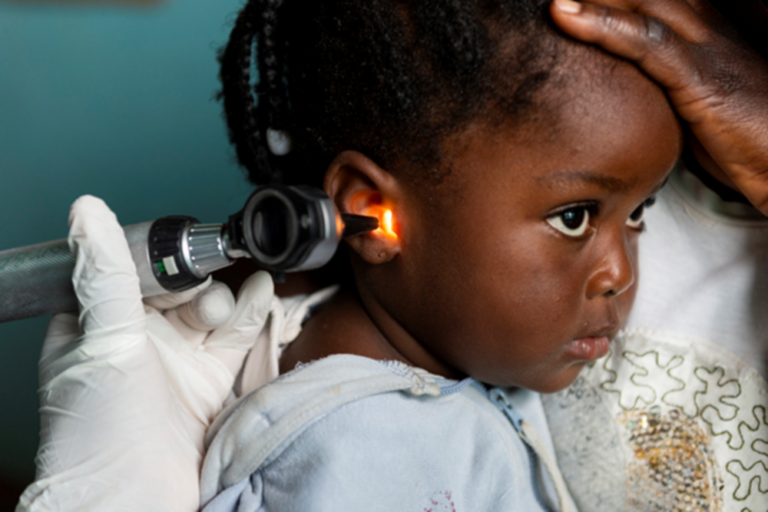
Approximately 32 million children across the globe are living with disabling hearing impairment, a staggering figure released by the World Health Organization (WHO) to coincide with World Hearing Day on March 3.
The WHO’s latest report, “Childhood Hearing Loss: Steps to Action Now!”, reveals a hopeful yet urgent reality: nearly 60 percent of these cases could be prevented through early intervention and proactive healthcare. This year’s theme, “From Community to School: Hearing Care for Every Child,” advocates for the integration of hearing health into standard school and child health programs to ensure no child falls behind.
The report identifies several common and highly preventable causes of childhood hearing loss, including earwax buildup and various forms of otitis media, such as chronic suppurative otitis media and otitis media with effusion. Because hearing loss is often gradual and subtle, it frequently goes undetected until it has already begun to impact a child’s speech, language, and cognitive development. The WHO warns that without systematic screening and prompt treatment, these disorders lead to significant academic hurdles and long-term social isolation.
Beyond the immediate developmental concerns, the WHO highlights the long-term economic and professional consequences of untreated hearing impairment. Children who do not receive appropriate care often face limited career opportunities and lasting economic disadvantages in adulthood. By incorporating hearing care directly into national school health plans, the organization believes that governments can significantly improve the future prospects of millions of children, transforming a preventable health crisis into a success story for global public health.
RNK/te/Sf/fss/abj/APA