





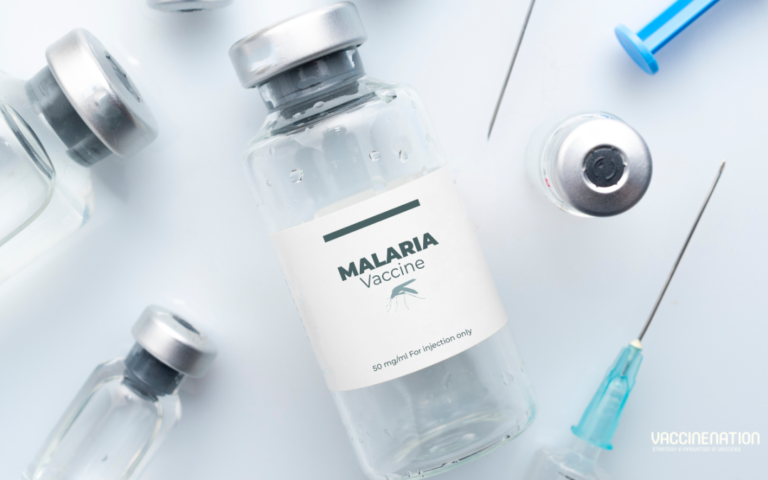
Ethiopia has made history, becoming the first country to launch the R21/Matrix-M malaria vaccine, delivered alongside insecticide-treated nets to protect children in 58 high-burden districts, the Africa Centers for Disease Control and Prevention (Africa CDC) has announced.
In a statement seen by APA on Wednesday, Africa CDC said with 186,000 doses ready for rollout, this integrated approach provides double protection against one of Africa’s deadliest diseases.
The R21/Matrix-M malaria vaccine, developed by the University of Oxford in partnership with the Serum Institute of India and Novavax, demonstrated up to 77 percent efficacy in clinical trials published in 2021 and was endorsed by the World Health Organization in 2023 for use in children under three – marking a major advancement in global malaria prevention efforts.
In another development, Africa CDC announced a landmark $3.2 billion financing package to accelerate vaccine and pharmaceutical production across the continent. The initiative is widely viewed as a turning point for African health sovereignty, aimed at reducing the region’s chronic dependence on imported medicines and strengthening its long-term economic resilience.
Central to the plan is the adoption of World Health Organization (WHO) standards. Meeting these benchmarks will ensure that African-produced medicines earn global recognition and can be distributed internationally; thereby positioning African pharmaceutical firms as credible suppliers both within the continent and abroad.
For decades, Africa’s reliance on imported vaccines and essential medicines has exposed its 1.4 billion citizens to volatile prices and supply disruptions. The COVID-19 pandemic laid bare these vulnerabilities: when global demand spiked, African nations found themselves at the back of the queue, grappling with shortages and inflated costs.
Africa CDC’s new initiative is designed to close these structural gaps. By stimulating local production and strengthening regulatory oversight, the agency expects to stabilize medicine prices, secure a reliable regional supply of life-saving drugs and vaccines, and shield health systems from the shocks of future crises.
The move will also fortify national immunization programs and reduce the risk of preventable disease outbreaks.
MG/as/APA