





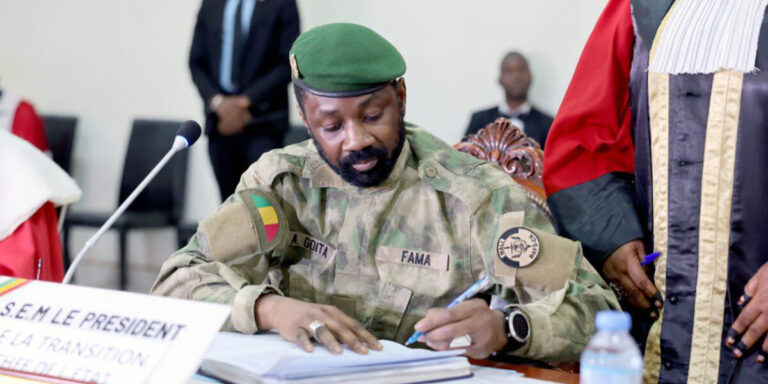
The Malian Prime Minister received the United States Ambassador, Rachna Korhonen, in Bamako on Monday, December 8, 2025,
This meeting came after several months of tensions surrounding U.S. visas and travel advisories.
For several years, Mali has been classified at the highest alert level in U.S. travel advisories, with a recommendation against travel to the country due to the risk of attacks, kidnappings and the overall
deterioration of the security situation.
In 2025, these warnings were updated, with US authorities urging their citizens to avoid the destination and, for certain categories of travellers, to consider leaving when conditions allowed, in a context marked by recurring
attacks by armed groups in several regions.
On the migration front, bilateral relations were marked in October 2025 by an unprecedented tightening of visa regulations.
The Trump administration decided to include Mali in a “visa bond” programme, requiring certain non-immigrant visa applicants to pay a security deposit of up to $10,000.
This measure, presented as temporary, targeted countries accused of high overstay rates.Mali retaliated a few days later by announcing a reciprocal measure, imposing the same level of security deposit on American citizens applying for Malian visas, transforming this issue into an open point of tension between the two capitals.
These events compounded a climate already strained by sanctions and restrictions imposed by several Western partners following the political changes in Mali since 2020. Meanwhile, Malian authorities have increasingly diversified their alliances, both in security and economic matters, by strengthening their cooperation with other international actors in the military and energy sectors, for example.
Despite these tensions, signs of maintaining political ties between Washington and Bamako continued to emerge in 2025. In several public statements, Ambassador Rachna Korhonen emphasized the United States’
commitment to “working with the Malian people” and remaining engaged with the country, particularly in the areas of development, governance, and support for vulnerable populations.
Official discussions also took place with Malian officials, both in Bamako and abroad, regarding economic and security issues. The meeting held on December 8 at the Prime Minister’s office was part of this ongoing process.
According to the report published by the Malian Prime Minister’s office, the American ambassador conveyed a message from her administration, reaffirming Washington’s openness to various forms of cooperation with Mali and the United States’ interest in partnership opportunities between Malian and American businesspeople.
The press release does not publicly address the sensitive issues of visas or travel advisories, but clearly places the exchange within the framework of revitalizing bilateral economic ties.
Underlying this is the ongoing collaboration between the two countries on several joint projects, including the fight against armed groups operating in the Sahel, the regional movement of goods and people, and the humanitarian situation in conflict-affected areas.
American assistance mechanisms, both humanitarian and technical, have not been entirely suspended, although they have been adjusted in response to political and security developments in Mali.
The meeting between the Malian Prime Minister and Ambassador Korhonen thus takes place in a context where the bilateral relationship alternates between signals of firmness – on security and migration flows – and a stated desire to maintain a framework for cooperation, particularly in the economic and development sectors.
MD/Sf/fss/gik/APA