





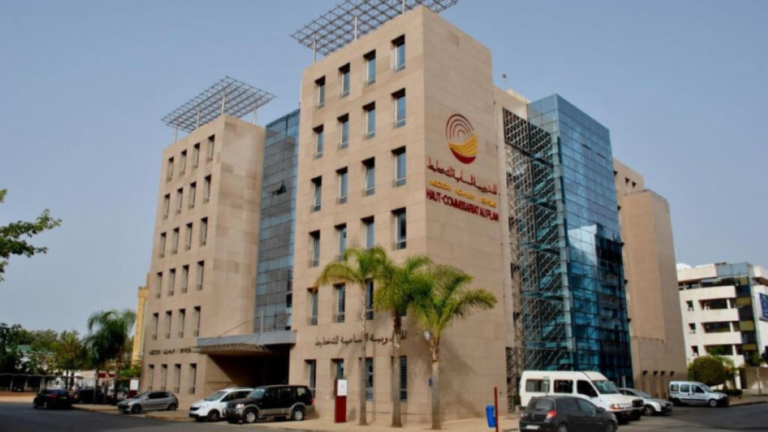
Morocco’s strict unemployment rate stood at 10.8% in the first quarter of 2026, according to data from the High Planning Commission (HCP) on the state of the labour market.
The unemployment rate, estimated at 10.8% nationally, stands at 13.5% in urban areas and 6.1% in rural areas, peaking at 16.1% for women compared to 9.4% for men, the HCP noted in an information brief drawing on the results of the new Labour Force Survey (EMO 2026).
This is the first edition of a new generation of labor market surveys in Morocco, designed in accordance with the latest international standards adopted at the 19th, 20th and 21st International Conferences of Labour Statisticians (ICLS) of the International Labour Organization (ILO).
According to the HCP, young people aged 15 to 24 remain the most exposed group, with an unemployment rate of 29.2%, followed by those aged 25 to 34 at 16.1%. In volume terms, strict unemployment reached 1,253,000 people in Q1 2026, of whom 79.6% reside in urban areas and 31.3% are women. Among employed wage earners, 671,000 are in a situation of time-related underemployment, of whom 52.9% live in urban areas.
Regarding the potential labour force, it stood at 884,000 people, representing 5.5% of the population outside the labour force, according to the same source.
The combined rate of strict unemployment and time-related underemployment — which measures the workforce experiencing an insufficiency of working hours, whether total or partial — stood at 16.6% in the first quarter of 2026. This rate is 18.3% in urban areas and 13.6% in rural areas, peaking at 19.8% for women compared to 15.7% for men, the HCP reveals.
As for the combined rate of strict unemployment and the potential labor force — which measures current and potential pressure on the labor market — it reached 17.1% nationally (20.4% in urban areas and 11.2% in rural areas). A particularly pronounced gap is recorded between men and women, with a rate of 27.9% for women compared to 13.9% for men.
The composite rate of labour underutilisation — which reflects the overall unmet need for work by combining strict unemployment, time-related underemployment and the potential labour force — stood at 22.5% nationally (24.8% in urban areas and 18.3% in rural areas).
The highest rates affect young people aged 15 to 24 (45.3%) and women (31.1%), according to the HCP.
AK/Sf/lb/as/APA