





The Nigerian Communications Commission (NCC) has kicked off its maiden annual workshop for Attorneys-General in Lagos, seeking deeper collaboration between Nigeria’s legal and communications sectors.
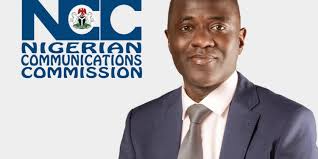
Speaking at the opening of the two-day workshop in Lagos, the Executive Vice Chairman/CEO of the NCC, Dr. Aminu Maida, described the workshop as a “milestone” in aligning legal frameworks with the fast-evolving realities of the communications landscape.
According to Maida, no sector, especially one as dynamic and impactful as communications “can be effectively regulated in isolation”.
Maida acknowledged the presence of the Attorney General of the Federation and Minister of Justice, Mr. Lateef Fagbemi (SAN), who he described as a symbol of the Federal Government’s commitment to policy cohesion and institutional synergy.
He emphasized that the Attorneys-General, as chief legal officers of their respective states, are vital in shaping the laws and policies that support national development and inclusive growth.
Maida noted that the Nigerian communications sector has undergone distinct phases, from market liberalization in the early 2000s, to broadband expansion, consumer protection, and now regulation of emerging technologies like artificial intelligence and Internet of Things (IoT).
Despite these advancements, Maida noted that regulatory clarity, tax harmonization, and protection of critical infrastructure remain pressing issues.
He stated that the workshop will discuss issues bordering on the review of the Nigerian Communications Act (2003) to reflect current digital realities and streamlining taxation to eliminate multiple, conflicting levies that deter investment as well as addressing regulatory overlaps between federal and state agencies.
“With the designation of communications infrastructure as CNII, we have a new mandate to collaborate more deeply with the Office of the National Security Adviser and other stakeholders,” Maida said.
He advocated for a Whole-of-Government approach in tackling the regulatory, operational, and legal challenges of the Nigerian digital transformation.
“We believe the Attorneys-General have a strategic role to play, not just in interpreting the law, but in shaping an enabling legal environment where technology and governance work in tandem.”
Describing the workshop as “just the beginning,” Maida expressed optimism that the platform would grow into an annual convergence of legal and regulatory minds, dedicated to joint problem-solving and innovation-friendly policy development.
He welcomed the participants and expressed the hope that the deliberations over the two days would yield actionable recommendations to enhance Nigeria’s journey toward digital inclusion and sustainable connectivity.
According to Maida, the workshop, which has the theme “Building and Driving Synergy in Regulating Communications for the Digital Transformation of Nigeria” is a reflection of “our strong belief that collaboration is not optional, but essential”.
GIK/APA