





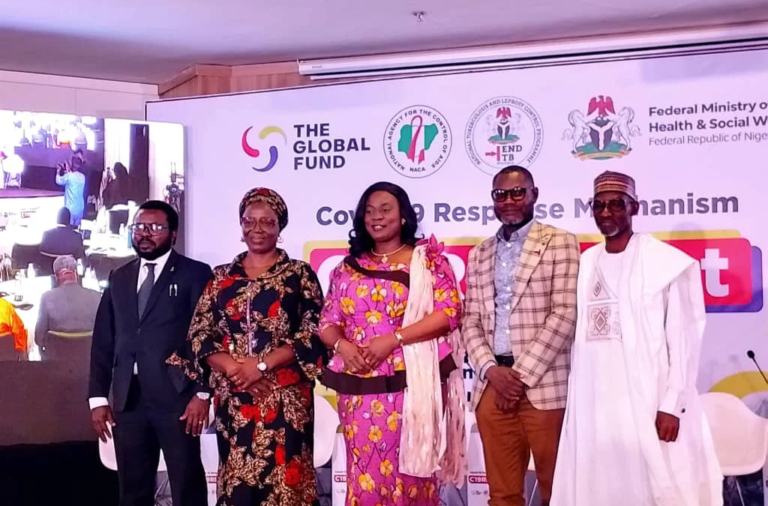
The Federal Government of Nigeria has announced a shift from its emergency response to long-term sustainability of critical health systems strengthened under the COVID-19 Response Mechanism (C19RM) Grant as the programme closes.
Nigeria’s Coordinating Minister of Health and Social Welfare, Prof. Muhammad Pate, said at the C19RM Grant Closeout Meeting on Thursday in Abuja that the grant had evolved beyond an emergency intervention into a strategic investment in the Nigerian health system.
Represented by the Director of Hospital Services, Dr Vivian Okafor, Pate said: “The COVID-19 pandemic challenged health systems across the world and reminded us that health security is not separate from national security, economic resilience or sustainable development.”
According to him, the grant strengthened surveillance systems, laboratory networks, oxygen infrastructure, infection prevention and control systems, supply chains, logistics platforms and community structures nationwide.
He explained that the investments enhanced Nigeria’s capacity to detect health threats early, protect healthcare workers and sustain essential services during periods of disruption.
“The most important lesson from C19RM is clear: emergency investments must leave behind sustainable systems,” Pate said.
He also said that the programme’s enduring legacy included stronger institutions, improved governance systems, enhanced workforce capacity, better preparedness and deeper partnerships across the health sector.
The minister added that the grant improved accountability and performance through stronger data systems, coordination mechanisms and programme management structures.
The gvernment, he said, was prioritising sustainability through domestic health financing reforms, including the Basic Health Care Provision Fund and initiatives under the National Health Sector Renewal Investment Initiative.
“As we close this chapter, our focus must now shift decisively from implementation to sustainability,” he added.
According to him, the closeout marks a transition from emergency response to preparedness, project implementation to institutional ownership and short-term interventions to long-term resilience.
In her remarks, the Director-General of the National Agency for the Control of AIDS (NACA), Dr Temitope Ilori, described the grant as a critical investment that strengthened Nigeria’s response to COVID-19.
Ilori said the programme improved surveillance systems, laboratory capacity, oxygen infrastructure, infection prevention and control, supply chains, community engagement and emergency preparedness.
She identified collaboration among government institutions, development partners, implementing agencies, healthcare workers and communities as one of the programme’s greatest achievements.
According to local media reports, the C19RM Grant is a special emergency funding initiative established by the Global Fund to help countries respond to COVID-19, while protecting essential HIV, tuberculosis and malaria services.
In Nigeria, the initiative evolved into a broader health systems strengthening and pandemic preparedness programme implemented through government agencies and development partners.
GIK/APA