



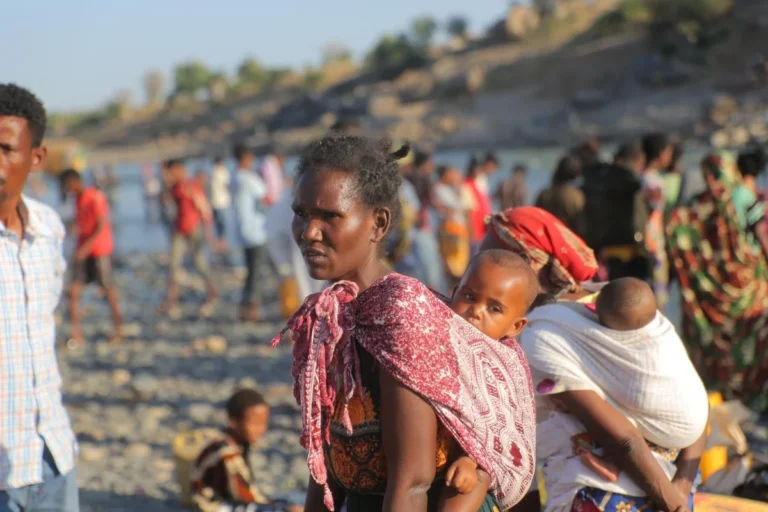
The UN World Food Programme has warned that refugees in Ethiopia are at risk of rising hunger following critical funding shortages that forced cuts to food rations.
In a statement issued over the weekend, WFP said it was forced to reduce rations for 780,000 refugees in 27 camps across Ethiopia from a 60 percent ration to just 40 percent. This means each person will now receive food assistance equivalent to less than 1,000 calories per day.
The UN agency said only 70,000 newly arrived refugees who fled conflict in neighbouring Sudan and South Sudan will continue to receive full rations for the next six months. Hunger and malnutrition rates are very high among the new refugees.
“We are making impossible choices. We are trying to reach as many refugees as possible with meaningful amounts of food assistance. But without more funds, these reductions are just another step towards stopping food distributions completely; putting the lives of those we currently assist at risk,” the statement quoted Zlatan Milisic, WFP Ethiopia Country Director and Representative, as saying.
“This isn’t a future risk — it’s happening right now. Every ration cut is a child left hungrier, a mother forced to skip meals, a family pushed closer to the edge,” said Milisic.
WFP is calling for $230 million to sustain humanitarian operations for the next six months. Without immediate new funding, WFP could be forced to completely suspend food assistance for all refugees in Ethiopia in the coming months.
WFP’s supplies of specialized nutritious foods provided to malnourished children and mothers are also running dangerously low.
They are expected to run out completely by December, meaning that WFP’s support for one million malnourished children and pregnant and breastfeeding women would also end unless additional funds are received, the statement noted.
WFP had issued an urgent appeal back in April warning that it was running out of funds for nutrition supplies, putting support for children and mothers in need at risk for which donors responded and WFP’s nutrition programmes were able to continue.
MG/as/APA