





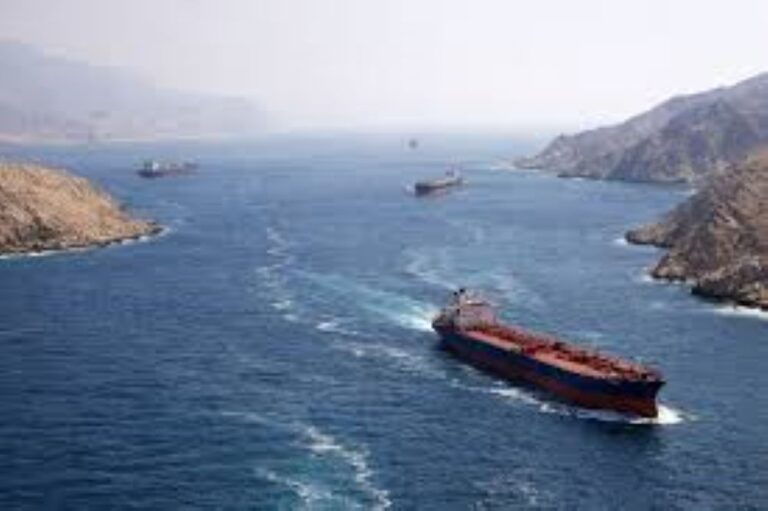
The escalating conflict in the Middle East has driven world shipping entities to resort to routes around Africa as a safer but costlier alternative.
The strait of Hormuz straddling the Persian Gulf and the Gulf of Oman, is one of the world’s most important shipping lines, accounting for up to 30 percent of daily oil shipment.
Tehran which controls its northern shores had in recent days signalled its intent to render it off limits for international shipping.
Since the United States and Israel began bombing Iran and eliciting retaliatory responses from the Islamic Republic over the weekend, there has been a disruption to one the world’s busiest maritime corridors.
As hostilities worsen, Iran on Sunday closed the straits of Hormuz to international shipping, prompting the waterways around Africa to be used as temporary alternative until the crisis is over.
Avoding the inherent dangers passing through the Gulf of Aden and the Red Sea, ships laden with oil have been using a safer route around South Africa to transport their cargo to the international market. This circumlocution is long and expensive and is directly linked to the latest increase in oil prices.
Shipping companies such as MaerskCMA CGM, and Hapag-Lloyd have announced they are suspending transit activities on the Gulf of Hormuz, diverting them to the Cape of Good Hope route.
Meanwhile, oil prices have jumped while shares have tumbled as the Middle East edges closer to an all-out conflict between Israel backed by the United States and Iran over the latter’s controversial nuclear program.
As of Monday, US and Israel have continued their attack on targets inside Iran while the regime in Tehran have responded with retaliatory strikes of Israeli, American, British and Arab interests in Gulf countries.
WN/as/APA