



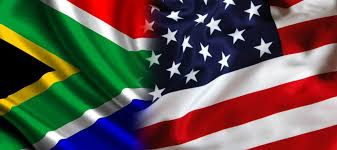
Diplomatic tensions between South Africa and the United States have escalated sharply following Pretoria’s arrest of seven Kenyan nationals allegedly working without permits at a US‑linked refugee processing centre for white South Africans.
South Africa’s Department of Home Affairs said the individuals entered on tourist visas but were found working illegally at the facility, which processes applications for Afrikaners seeking asylum in the US.
Seven Kenyan nationals have been arrested for allegedly working in South Africa despite entering the country on tourist visas.
They were arrested after the Department of Home Affairs, in collaboration with other arms of law enforcement, executed a routine, lawful operation in Johannesburg, targeted at suspected violations of South African immigration law.
“The operation reinforces Home Affairs’ commitment to enforcing the rule of law without fear or favour, as no person or entity is above these laws. It also showcases the commitment that South Africa shares with the United States to combat illegal immigration and visa abuse in all its forms,” the department said in a statement.
“The presence of foreign officials apparently coordinating with undocumented workers naturally raises serious questions about intent and diplomatic protocol.”
The arrested Kenyans will be deported and banned from re‑entry for five years.
“The Department of International Relations and Cooperation has initiated formal diplomatic engagements with both the United States and Kenya to resolve this matter,” the department added.
Washington accused Pretoria of “interference” in its refugee operations, with State Department spokesperson Tommy Pigott insisting the US expected “full cooperation and accountability.”
The centre, RSC Africa, is run by Church World Service in Kenya and linked to US refugee admissions.
The dispute stems from Washington’s controversial decision to prioritise Afrikaners for asylum, citing claims of persecution.
South Africa has rejected US claims of persecution, stressing that land reform is aimed at addressing apartheid‑era inequalities.
President Donald Trump has repeatedly alleged that white farmers face “genocide” in South Africa, despite studies showing they are no more likely to be victims of crime than black farmers.
Earlier this year, Trump offered Afrikaners refugee status after President Cyril Ramaphosa signed a law allowing land seizures without compensation, though none have yet occurred.
Relations between Pretoria and Washington have been frosty throughout Trump’s administration.
More recently, the US boycotted the G20 summit in South Africa and excluded Pretoria from related meetings.
JN/APA