





The strategic importance of Egypt’s SUMED pipeline has moved to the forefront of global energy discussions as the Strait of Hormuz faces unprecedented disruption.
With maritime traffic through the vital waterway having plummeted by approximately 85% since the beginning of March 2026, the pipeline—which links the Red Sea to the Mediterranean—has become a critical conduit for transporting Gulf oil to European markets. Egyptian Minister of Oil and Mineral Resources Karim Badawi highlighted the infrastructure’s essential role during a general assembly of the Arab Pipeline Company, framing it as a vital alternative for bypassing the navigation hazards currently affecting traditional maritime routes.
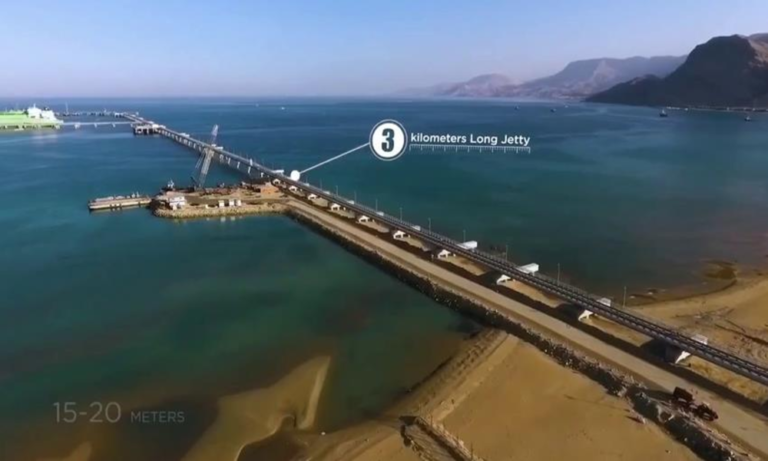
The ongoing military escalation involving the United States, Israel, and Iran has choked a waterway responsible for a massive portion of global hydrocarbon trade. As a result, oil prices have surged past $90 a barrel, marking one of the most significant weekly increases since the 1980s. In this volatile climate, the SUMED pipeline, which is jointly owned by Egypt, Saudi Arabia, Kuwait, the United Arab Emirates, and Qatar, offers a secure path for crude oil. By connecting the Ain Sokhna terminal on the Red Sea to Sidi Kerir on the Mediterranean, the pipeline allows producers to move their energy supplies to Europe without relying on the contested and dangerous routes through Hormuz.
The infrastructure has seen substantial growth, reporting the transport of roughly 50 million tons of crude oil—or nearly 365 million barrels—during 2025. This increase in volume is largely due to the expansion of receiving and re-export capacities between the Red Sea and the Mediterranean, with petroleum products now accounting for 25% of the company’s revenue. Energy sector stakeholders, including representatives from Saudi Aramco and Mubadala Energy, have emphasized that the pipeline has evolved into a regional hub that is central to maintaining energy security while major shipping companies continue to suspend their operations in the region.
For Egypt, the SUMED pipeline offers benefits beyond its role as a transit route for Gulf oil. Minister Badawi noted that the facilities were instrumental in securing Egypt’s own domestic gas supply throughout the summer of 2025 by hosting floating storage and regasification units at the Ain Sokhna terminal. As the summer of 2026 approaches, authorities intend to keep these systems under close observation, ensuring the pipeline remains a reliable pillar for both national and regional energy stability.
MK/Ak/Sf/fss/abj/APA