



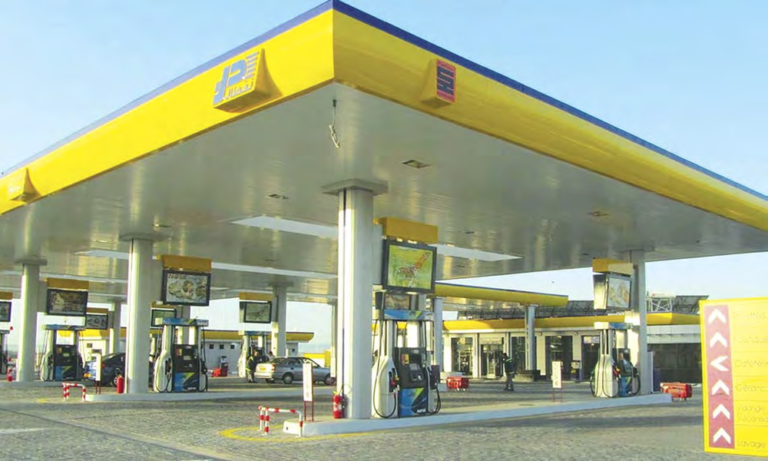
A sudden and unannounced hike in fuel prices on January 1, 2026, has sparked widespread transport strikes across Algeria, leading to supply chain disruptions and rising costs for essential goods.
The adjustment, implemented by the Hydrocarbons Regulatory Authority (ARH), saw gasoline prices rise to 47 DZD per liter and diesel to 31 DZD, while LPG fuel experienced a sharp 33% increase.
The lack of prior public debate or inclusion in the 2026 Finance Law has fueled frustration among private transport operators. This anger is compounded by a controversial new highway code, which drivers describe as “repressive” due to its heavy fines and strict penalties. The resulting strike has paralyzed urban and inter-wilaya travel, with participation reportedly exceeding 90% in major hubs like Algiers, Sétif, and Béjaïa.
The economic impact was immediate. Food distribution networks have been severely disrupted, causing the price of staples like potatoes and tomatoes to jump by nearly 35% in the first week of January. While the Minister of Hydrocarbons and Mines, Mohamed Arkab, maintains that the price adjustment is necessary to cover rising production costs and modernize service stations, the move is widely viewed as a strategy to reduce state subsidies amid a tightening national budget.
In an effort to defuse the crisis, the government has entered emergency talks with transport unions. Early agreements suggest that the state may allow an official increase in transport fares—effectively passing the fuel cost on to commuters—and potentially revise the most punitive sections of the new traffic law. However, observers warn that these “patchwork” solutions may not be enough to prevent broader social anxiety as inflation continues to squeeze household budgets.
MK/ak/ac/Sf/fss/abj/APA