





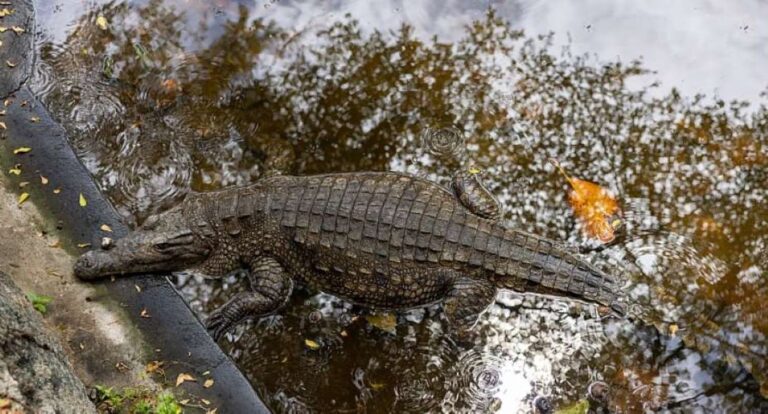
Kenya has seen more than tenfold export of live reptiles between 2013 and 2023, according to a report launched on Thursday in Nairobi, the Kenyan capital.
According to a report by the World Animal Protection (WAP),Kenya exported over 870,000 captive-bred live animals listed under the Convention on International Trade in Endangered Species of Wild Fauna and Flora over the past decade, nearly half of them reptiles.
According to the findings, reptiles accounted for 81 percent of export records and nearly half of all live animals traded during the period.
The report revealed that annual exports of live reptiles to overseas markets rose from 8,551 in 2013 to 86,330 in 2023, posing risks to the survival of species and the spread of disease-causing pathogens.
The report found that Kenya exported wildlife to at least 43 countries across Asia, Europe, North America, Africa and South America, positioning the country as a growing supplier to global pet and luxury wildlife markets.
Researchers, however, warned that the trade raises concerns over conservation, animal welfare, public health risks and weak regulatory oversight.
More than 77 percent of traded species were found to have declining or unknown wild population trends, raising questions over the sustainability of the trade even where animals are reported as captive-bred or ranched.
The report also noted continued illegal trade in pancake tortoises despite the species facing severe conservation pressure.
Patrick Muinde, research manager at the WAP and co-author of the report, noted that Kenya is witnessing a rapid rise in wildlife exports, particularly reptiles, whose survival is key to sustaining rural livelihoods.
“Most of these exports involve live animals, making this far more than a question of numbers. It is cruel and raises questions about its sustainability,” he said.
He called for a shift away from captive breeding and trade in wildlife, including reptiles, to avert risks to public health and boost the resilience of ecosystems.
The international trade in invertebrates is driven by growing demand for pets, food, traditional medicine, decorations and entertainment, the report said.
MG/as/APA