





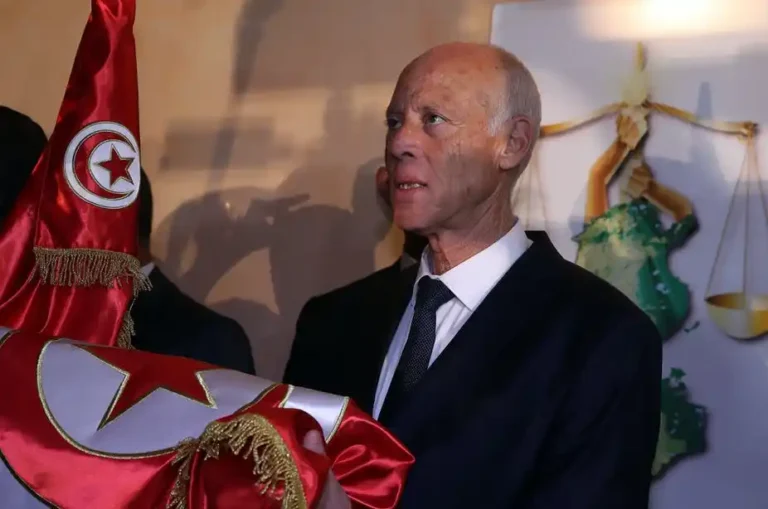
Tunisian diplomacy with its neighbours is intensifying following two decades of relative geopolitical marginalisation, during which Tunisia was traditionally positioned as a secondary player in the Maghreb.
The country is initiating a major diplomatic pivot aimed at transforming itself into a mediator for tensions within the Maghreb and a catalyst for regional integration.
In a foreign policy statement presented to parliament on September 16, the Tunisian government
outlined a proactive strategy to strengthen ties with Morocco, Algeria, and Libya.
This strategy relies on increasing bilateral forums, establishing joint economic development commissions, and improving land and air connectivity.
Tunisia’s strategy leverages the country’s relative neutrality regarding major regional disputes – unlike Morocco – involved in the Western Sahara conflict – or Algeria – a structural rival to Morocco –
Tunisia enjoys diplomatic manoeuvrability. It can serve as a negotiation platform where regional governments can meet without the risk of losing face.
The Tunisian government is capitalising on this position by proposing to host regular Maghreb forums and offering to hold multilateral economic conferences.
The implications for the Maghreb are potentially transformative. A diplomatically active Tunisia could accelerate economic integration projects that have long been stalled by political tensions.
The Arab Maghreb Union (AMU), established in 1989 but largely dormant, could regain operational momentum.
Projects involving electrical interconnections, transport corridors, and preferential trade – long in the planning stages – could make concrete progress. This dynamic shift driven by Tunisia would alter the landscape of the North African regional economy, which is currently fragmented and poorly integrated compared to other African regional unions.
On the international stage, Tunisia’s repositioning is altering the calculus of major powers.
This secular Muslim nation, a long-standing partner of the Atlantic alliance – offers significant
potential for regional stability for both Europe and the United States.
Its diplomatic rise would strengthen moderate and pragmatic voices within the Maghreb, counterbalancing the more ideological or nationalist stances of other regional actors.
This dynamic reinforces Tunisia’s role as a bridge between the Eastern and Western Mediterranean.
MK/AK/Sf/fss/as/APA