



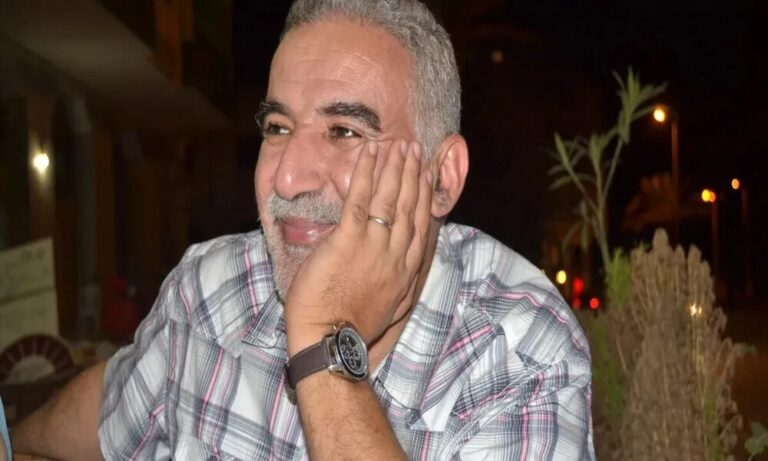
A Tunisian Journalist, Zied El Heni, was sentenced on Tuesday to four years in prison in a case linked to terrorism, according to his lawyer, Yasmine Ben Brahim.
The sentencing of independent journalist Zied El Heni to an additional four years in prison in a terrorism-related case intensifies concerns regarding the erosion of civil liberties in Tunisia, where those critical of President Kais Saied face persistent judicial pressure.
This new sentence – handed down for charges including “forming a terrorist group” and “failing to report a terrorist crime” – comes on top of a one-year prison sentence issued in May.
Known for his criticism of President Kais Saied, the independent journalist now faces an increasingly difficult legal situation.
The case centres on leaked audio recordings attributed to Mondher Ounissi, the former interim leader of the Islamist movement Ennahdha.
Zied El Heni had produced a report concerning these recordings, the contents of which were never made public.
Mondher Ounissi himself was sentenced to nine years in prison in the same case. The charges brought against the journalist raise questions about the circumstances under which journalistic work can be equated with offenses under counter-terrorism legislation.
A prominent figure in the Tunisian media landscape, Zied El Heni first gained recognition for his involvement during the 2011 revolution, which led to the fall of President Zine El Abidine Ben Ali. His one-year prison sentence in May was related to remarks he made regarding press freedom.
This latest judicial decision heightens concerns regarding the situation of independent journalists, in an environment where legal proceedings pose an increasing risk to professionals who investigate sensitive topics or criticise the authorities.
Since July 2021 – when Kais Saied suspended the work of Parliament and subsequently consolidated power in his own hands – human rights organisations have decried an erosion of political freedom.
Opponents, notably from the Ennahdha party, have been imprisoned, while others have fled the country. Rached Ghannouchi, a prominent
figure in the movement, had been in detention since April 2023 and faced multiple convictions, some resulting in lengthy prison sentences.
This new conviction comes amid persistent tensions between the authorities and those critical of the government.
The use of terrorism-related charges in a case involving a journalist who covered leaked recordings raises serious questions about the proportionality of the prosecution and the safeguards afforded to the freedom to report.
For advocates of civil liberties, the mounting number of legal actions against political opponents and journalists serves as a troubling indicator of the country’s institutional trajectory since the political shift of 2021.
MK/AK/fss/gik/APA