



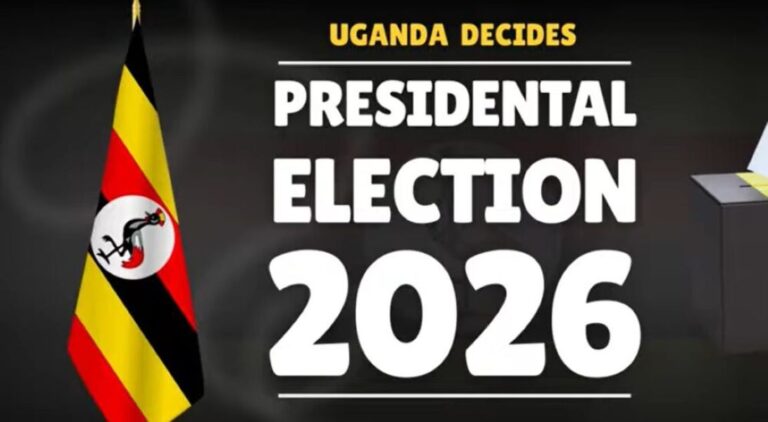
Ugandan voters are heading to the polls on Thursday to elect a new president and 352 MPs amid allegations of repression targeting opponents of long-term incumbent Yoweri Kaguta Museveni who is bidding for a record seventh term.
21,681,491 were registered to vote in the general elections, an increase from 18.1 million prospective voters the last time Ugandans went to the polls in 2021.
There was a four-hour delay to polling in parts of Kampala and other cities blamed on inadequate logistical arrangements.
48 hours before the polls, the Uganda Communications Commission (UCC) ordered a temporary shutdown of public internet access and selected mobile services starting at 6:00 p.m. local time on Tuesday, citing security considerations linked to the electoral period, according to media outlets.
81-year-old Museveni, who is the ruling National Resistance Movement (NRM) candidate faces competition from rapper-cum politician Robert Kyagulanyi Ssentamu, known also as Bobi Wine, 43 and six other contenders.
Wini had lost to Museveni in a 2021 election marred by pre-poll violence in which thousands had been detained and over 50 others killed during protests.
In similar fashion, the lead up to the January 15th polls has been characterised by a climate of repression and the detention of perceived opponents of the NRM, according to human rights groups.
Seen as a symol of political continuty, Museveni at the helm for 40 years, has been campaigning under the banner of peace and stability, which his supporters claimed were rare commodities before he came to power in 1986 after a so-called bush war.
The NRM said Uganda had posted signs of economic progress thanks to several rescue measures including the building of a refinery and the East African Crude Oil Pipeline (EACOP), connecting the country with neighouring Tanzania. Regime supporters say it may be operational toward the end of this year and would ease unemployment and improve the working of the econmy.
The Museveni government is claiming credit for recent infrastucture development with support from the World Bank, China, the United Arab Emirates, Qatar, and the US.
However critics have accused Museveni of being a stooge of the US under President Donald Trump after agreeing to take in asylum seekers from third countries in return for $1.7 billion earmarked for the Ugandan healthcare sector.
Bobi Wine had vowed to interrogate every detail of all economic deals struck under Museveni’s watch and ensure they benefit ordinary Ugandans or they will be discontinued. Museveni critics also point at youth unemployment and the rising cot of living as evidence of a ‘failed and incomptent’ government unable to tackle them. The National Unity Platform (NUP) led by Bobi Wine had tapped into youth frustration over unmet expectations to mobilise young people.
Uganda has 33 million young people out of a population of 46 million.
Observers say with the stakes heavily stacked against Wine, the power of incumbency may like in the past take Museveni over the line in Uganda’s first past the post election system which requires a candidate to poll 50 percent + one more vote over other candidates to avoid a second round of voting.
Wine’s NUP accused the government of detaining hundreds of its supporters, among them lawyer Sarah Bareete, who was whisked away from her home on December 30 for allegedly leaking data related to the elections.
There are also fears of a commncations blackout during the polls with internet access restricted to stop the dissemination of information and evidence of poll irregularities which might undermine the integrity of the elections.
Hours before the polls, the head of the electoral commission, Simon Byabakama claimed he was targeted with threats over the declaration of the results.
A visibly unperturbed Byabakama said the threats were issued from indidivuals within the corridors of Ugandan power, concerned that he could declare an opposition presidential contender as the winner.
He vowed that only the true winner will be declared and dismissed the threats as ”unnecessary drama” intended to exert pressure on electoral commission officials.
The poll chief vowed that the results will be announced in full within 48 hours of polls closing, in accordance with Ugandan electoral law.
WN/as/APA