





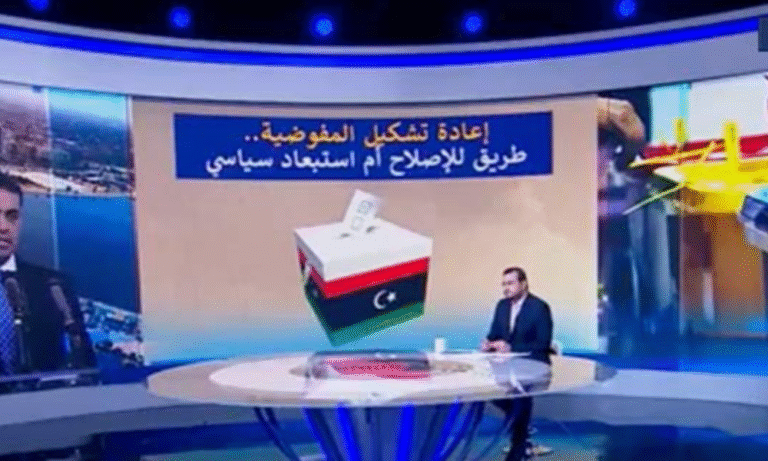
A new proposal to reform Libya’s High National Electoral Commission (HNEC), a key part of the UN’s plan to restart the country’s political process, was recently discussed on the Al-Wasat TV program “Au milieu de l’actualité.”
The proposal comes from UN Special Representative Hannah Tetteh, who aims to pave the way for long-awaited elections.
During a briefing to the Security Council on August 21, Tetteh presented a roadmap with three core components: A sound electoral framework: Creating a technically robust system for holding elections. Unifying institutions: Forming a transitional government to consolidate the nation’s fragmented bodies. Structured dialogue: Organizing discussions to ensure a broad range of Libyans participate in the political process.
Tetteh’s proposal includes a plan to restructure the HNEC’s board of directors to ensure future elections are both credible and transparent. She suggests this multi-phase process would take between 12 and 18 months to implement.
The UN proposal has sparked a heated debate within Libya. Some political figures believe that reforming the electoral commission is a necessary step to legitimize future elections. Others, however, are wary, fearing that the reform could be a ploy to exclude certain political factions or give foreign actors more control over the process.
This ongoing debate highlights the core tension between the international community’s push for a quick political transition and the local political class’s concern that such changes could lead to new divisions rather than a unified national consensus.
MK/Sf/fss/abj/APA