





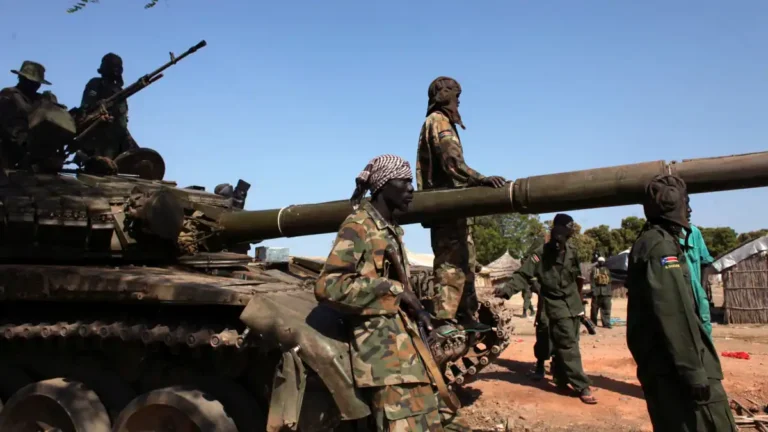
UN Human Rights Chief Volker Türk has called for an urgent investigation into alleged war crimes in South Sudan after reports of mass killings, the poisoning of drinking wells and a surge in displacement affecting more than 280,000 people since late December.
Türk said he was “horrified” by mounting accounts of atrocities committed as fighting intensifies between government forces and opposition groups across several states.
“Civilians are being brutally killed, injured and displaced on a daily basis across South Sudan as hostilities escalate between the army and opposition forces,” Türk said.
According to the UN, more than 160 civilians have been killed in the past 17 days, including at least 139 people massacred on 1 March in Abiemnom locality by fighters from the Bul Nuer ethnic group.
In Jonglei State, government soldiers allegedly lured civilians to a gathering with promises of food aid before opening fire, killing 21 people, most of them women and girls.
On the same day, four civilians were reportedly tied up and beheaded in Western Bahr al Ghazal.
Witnesses told the UN that government forces destroyed or contaminated around 99 wells during airstrikes, leaving communities without safe water.
The military has also ordered civilians to evacuate Akobo town and surrounding villages, prompting thousands to flee.
Despite orders by the South Sudanese military for UN agencies to withdraw, UNMISS said its peacekeepers would remain to protect civilians.
Türk warned that some of the reported acts “may amount to war crimes” and urged prompt, impartial investigations to hold perpetrators accountable, including commanders.
“There must be prompt, impartial, thorough and effective investigations into these and all other alleged violations of the laws of war and of international human rights law which are taking place,” he said.
The UN rights chief said the mass displacement from Jonglei, Lakes and Upper Nile States reflected the deepening crisis and called for an immediate ceasefire to prevent the country from sliding back into full‑scale civil war.
He appealed to the international community to intensify diplomatic engagement and pressed all parties to stop targeting civilians and allow humanitarian access.
“South Sudan must be pulled back from the brink of all-out civil war,” he said.
The latest violence comes amid a renewed breakdown of the fragile peace deal signed in 2018, which has repeatedly faltered as rival factions clash over political control, territory and resources.
JN/APA