





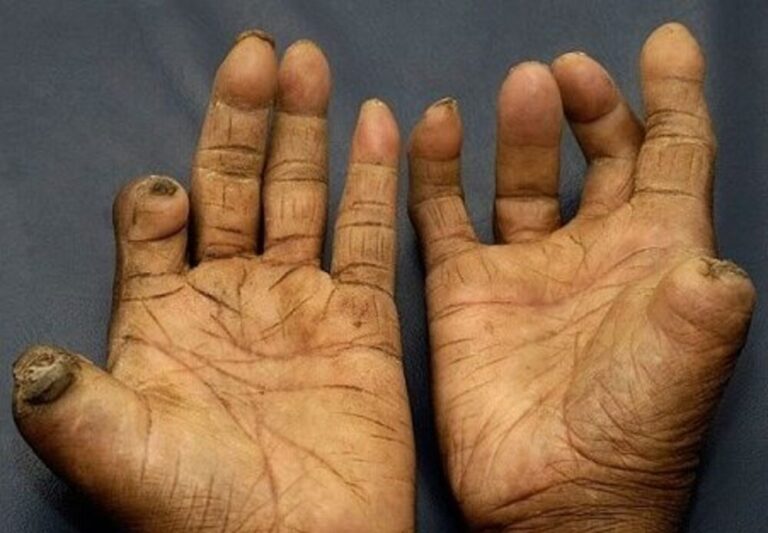
The World Health Organisation (WHO) has joined forces with South African health authorities to strengthen the country’s response to neglected tropical diseases (NTDs), launching a capacity‑building initiative aimed at improving detection, treatment and mass drug administration (MDA) programmes.
The collaboration was marked by a three‑day integrated leprosy case‑management and MDA training workshop held in Tzaneen, Limpopo province, from 26 to 28 January.
WHO said on Tuesday that the initiative supports South Africa’s efforts to align with the WHO NTD Roadmap 2021–2030 and the Sustainable Development Goal target of ending NTD epidemics.
Although leprosy remains rare in South Africa, sporadic cases continue to surface, prompting the need for sustained clinical vigilance and early intervention.
At the same time, schistosomiasis and soil‑transmitted helminthiases remain endemic in several provinces, disproportionately affecting school‑aged children and underserved communities.
WHO medical officer Dhruv Pandey highlighted the need for sustained commitment, noting that integrating MDA into existing health platforms is essential to reach vulnerable communities efficiently.
National Department of Health representative Patrick Hlungwani stressed the importance of bolstering surveillance and multisectoral coordination to ensure successful rollout of MDA activities.
With the country preparing to scale up MDA using WHO‑donated medicines, national and provincial readiness has become a priority.
The workshop focused on improving diagnostic and case‑management skills for leprosy, strengthening referral pathways, reducing stigma and enhancing operational planning for safe and effective MDA campaigns.
Participants also drafted provincial and district micro-plans to guide implementation.
Seventy health professionals attended, including clinicians, pharmacists, environmental health practitioners, programme managers and officials from provincial and district departments.
Technical support was provided by WHO specialists, the National Department of Health, academic partners, The Leprosy Mission South Africa and the National Institute for Communicable Diseases.
JN/APA