



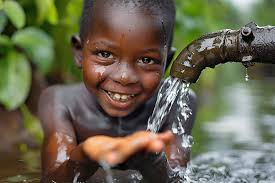
The number of citizens who have access to clean drinking water in Ethiopia have surged to 76 million, up from 60 million two years ago, the country’s Ministry of Water and Energy disclosed Wednesday.
Presenting the ministry’s nine-month performance report, minister of water and energy Habtamu Itefa said the number of Ethiopians who have access to basic drinking water have soared to 76 million after the government began tapping water from dams and distributing it to drought affected areas.
He said over 200 schools now have water collection systems, providing a valuable resource for students and the surrounding communities.
Despite these strides, he said approximately 60 million Ethiopians still lack access to safe drinking water, contributing to 7 percent of the global water crisis, and over 112 million are without basic sanitation facilities.
Water contamination remains a critical challenge, exacerbated by insufficient sanitation infrastructure, leading to the spread of diseases such as cholera and diarrhea in at least three regions of the country.
He said infrastructure projects in these regions have yielded positive results to increase the total number of Ethiopians with access to safe drinking water.
The minister further said remote communities previously unconnected to the national power grid are now benefiting from solar energy, expanding electricity access to previously under-served populations.
The National Information for Nutrition in recent study revealed that about 50 percent of rural and urban households in Ethiopia have access to basic water services and 6 percent have access to basic sanitation facilities while one in three households still practice open defecation.
MG/as/APA