





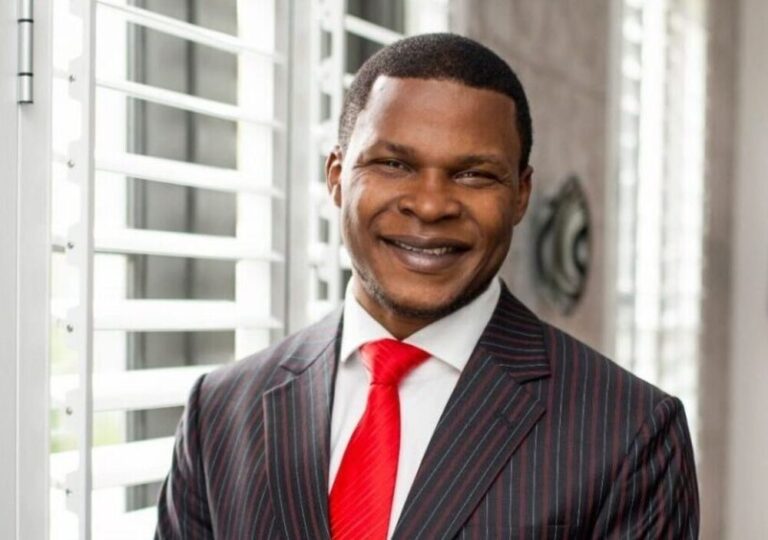
African Energy Chamber (AEC) executive chairman NJ Ayuk has been named among New African magazine’s Most Influential Africans of 2025, recognised for his outspoken advocacy on Africa’s energy sovereignty and leadership in confronting the continent’s persistent energy poverty.
Ayuk joins a distinguished cohort of leaders and innovators featured in the annual list, including Angola’s President João Lourenço, South African President Cyril Ramaphosa, Ghana’s President John Mahama, Afreximbank President George Elombi and business figures such as Aliko Dangote and Sim Tshabalala.
The list, compiled by New African correspondents across the continent, highlights individuals whose impact transcends borders and sectors.
Others who made the annual list are Botswana’s Minister of Youth and Gender Lesego Chombo, Ugandan-born New York City mayor-elect Zohran Mamdani and African Development Bank president Sidi Ould Tah
Ayuk’s inclusion reflects his emergence as one of Africa’s most prominent voices on energy policy.
He has consistently argued that hydrocarbons, particularly natural gas, remain essential to Africa’s development, with more than 600 million Africans lacking electricity and nearly a billion without clean cooking solutions.
Through the AEC, he has challenged what he calls global “double standards” where Western economies continue to invest in oil and gas while pressuring African nations to abandon their own resources.
“Admiration has an expiration date but commitment never expires. We have shown that with our unapologetic believe in oil and gas for Africa’s development,” Ayuk said, reaffirming his belief in Africa’s right to produce and utilise its hydrocarbons to lift millions out of energy poverty.
He dedicated the recognition to oil and gas workers across the continent, describing them as the lifeblood of African economies.
Under his leadership, the AEC has become a platform for African producers, policymakers, and investors to articulate priorities and attract investment.
Flagship events such as African Energy Week and sustained policy advocacy have amplified Africa’s voice in global energy debates.
JN/APA