





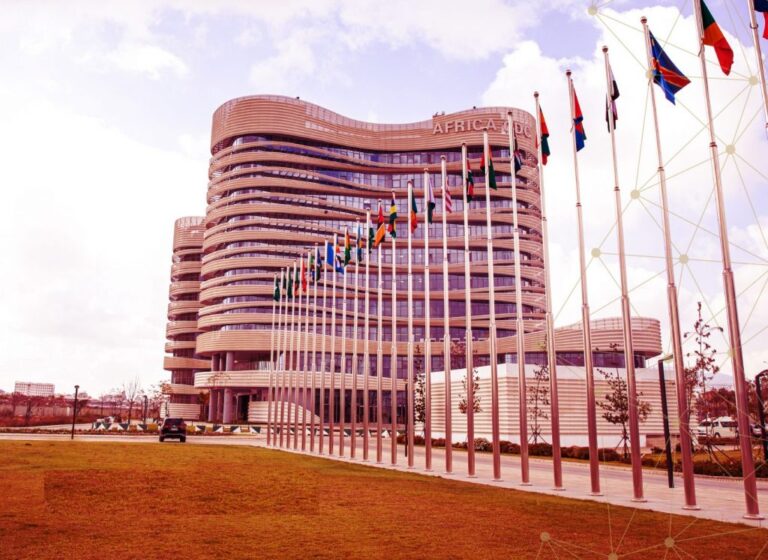
The Africa Centers for Disease Control and Prevention (Africa CDC) has raised alarm over the increasing trend of public health emergencies occurring throughout Africa, as the continent reported more than 166 moderate-to-high risk public health emergencies so far in 2025.
Briefing journalists last Thursday, Yap Boum II, deputy incident manager for mpox at the Africa CDC, said the number of high-risk and moderate public health events keeps increasing.
“With the current trend, we expect to have much more than what we actually had in 2024. This is the result of quite a number of drivers, including climate change and the crisis that we see in Sudan, which affected the accelerated spread of cholera in Sudan, Chad, and South Sudan,” Boum said in an online media briefing.
“This is much higher than what we had in 2024 in terms of the number of deaths. A total of 23 countries are currently affected, which highlights the need for a stronger multi-sectoral approach,” Boum II said, warning that cholera remains the leading public health concern in Africa in terms of the number of cases and fatalities.
Some 23 cholera-affected African countries have reported a total of 239,754 cases and over 5,274 associated deaths since the beginning of this year, with a case fatality rate of 2.2 percent, Boum II, told an online media briefing.
Data from the African Union’s specialised healthcare agency showed the death toll from Africa’s multi-country cholera outbreak so far in 2025 has surpassed last year’s total of 4,725.
Cholera, an acute diarrhoeal infection caused by consuming contaminated food or water, results in acute watery diarrhoea and severe dehydration. The disease can be fatal within hours if untreated.
Inadequate clean and safe water is identified as the primary driver of recurring cholera outbreaks in Africa, which is further exacerbated by peace and security challenges, as well as strained health systems as the continent grapples with a number of disease outbreaks and public health emergencies.
MG/as/APA