



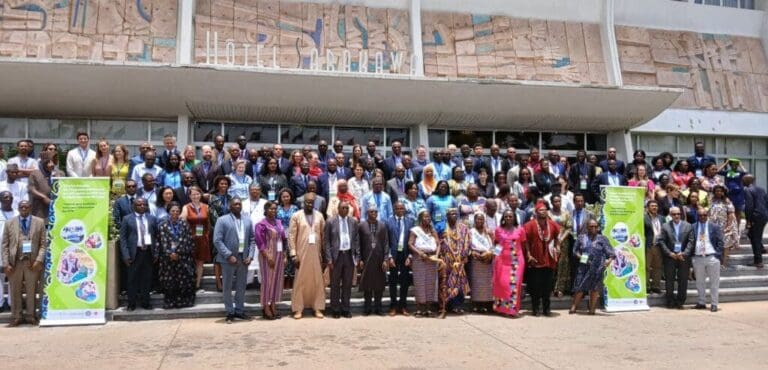
In a determined effort to alleviate the burden of neglected tropical diseases (NTDs) across the continent, African health experts convened in the Togolese capital, Lomé, issuing a strong call for urgent and concerted action.
These debilitating diseases remain endemic in 47 countries throughout Africa, disproportionately affecting the most vulnerable populations.
The meeting, held from April 15 to 17, 2025, brought together over 45 national program managers, alongside key partners and members of civil society organizations. The participants reaffirmed their unwavering commitment to accelerating the elimination of NTDs, which continue to impact more than a billion people globally, with a staggering “40 percent of whom live in the African region,” according to a statement released by the World Health Organization (WHO) Regional Office for Africa, received by APA on Friday in Freetown.
The forum in Lomé served as a crucial platform to initiate discussions and forge collaborations aimed at “promoting bold and more strategic approaches” in the ongoing fight against these diseases in Africa. Twenty of the 21 recognized NTDs are prevalent on the continent, including devastating conditions such as river blindness, lymphatic filariasis, leprosy, and various disfiguring skin diseases. These diseases predominantly affect “the poorest and most marginalized communities,” perpetuating cycles of poverty and hindering socio-economic development. Despite notable progress in some areas, all 47 countries within the WHO African Region remain endemic for at least one neglected tropical disease, and alarmingly, 37 of these nations are simultaneously battling at least five different NTDs.
“We must double down while ensuring that no one is left behind,” emphasized Dr. Chikwe Ihekweazu, the WHO Acting Regional Director for Africa, underscoring the urgency of the situation.
“We are reaching the halfway point of the 2021-2030 road map for the fight against neglected tropical diseases. This is not just a moment for reflection: it is a call to action,” Dr. Ihekweazu insisted, highlighting the critical juncture in the global effort to eradicate these diseases. The officials present at the meeting made several key commitments, including strengthening country-level leadership in NTD programs, increasing domestic financial investment in NTD control and elimination efforts, accelerating the adoption and deployment of innovative diagnostic tools, improving disease surveillance systems to better track and respond to outbreaks, and developing concrete national action plans specifically tailored to improve access to prevention, treatment, and care in the most vulnerable and underserved areas.
Togo, the host country for this pivotal meeting, received commendation for its remarkable success in eliminating four NTDs: Guinea worm disease, lymphatic filariasis, human African trypanosomiasis (sleeping sickness), and trachoma.
Dr. Kokou Wotobe, representing the Togolese Minister of Health, attributed these significant achievements to “strong political commitment at the highest levels, close and effective collaboration with various partners, and exemplary community participation,” highlighting the multi-faceted approach necessary for successful NTD elimination.
However, challenges remain. Dr. Amadou Bailo Diallo, the WHO Representative in Togo, warned of “declining funding and the growing threat of climate change, which represent new and significant obstacles to health programs aimed at combating NTDs.” He made a strong appeal for “support that is specifically focused on the most vulnerable communities,” ensuring that those most at risk receive the necessary interventions. Finally, Dr. Dorothy Achu, Head of the NTD Team at the WHO Regional Office, called for sustained mobilization and long-term commitment, stating, “Through continued action, we can end the burden of neglected tropical diseases on communities across Africa.”
This crucial regional meeting in Lomé is a key component of the WHO’s broader efforts to strengthen health governance across the continent, disseminate best practices in NTD control and elimination, and provide robust support to national NTD strategies, all in alignment with the Sustainable Development Goals and the global target of ending the NTD epidemic by 2030. The unified voice of African health experts in Lomé signals a renewed and intensified commitment to achieving an Africa free from the debilitating effects of neglected tropical diseases.
ODL/te/Sf/fss/abj/APA