



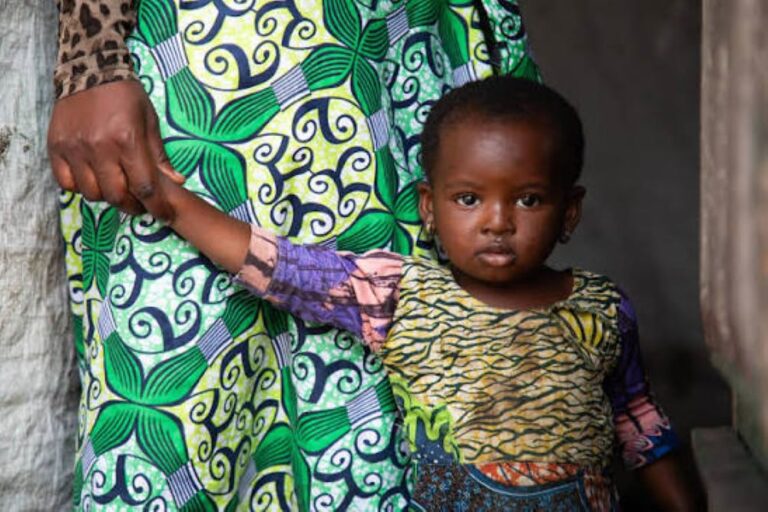
African ministers of health participating in the 76th session of the World Health Organization (WHO) Regional Committee for Africa have formally adopted a comprehensive strategy aimed at radically improving early childhood development across the continent.
Projections indicate that two out of every five global births will take place in Africa by 2050; however, up to two-thirds of young children in sub-Saharan Africa currently risk failing to reach their full cognitive and physical potential. The newly endorsed Regional Strategy on Advancing Early Childhood Development Outcomes (2026–2032) establishes a unified blueprint to enhance essential healthcare, nutrition, early learning, and safe living conditions from birth.
Economic data reinforces the transformative impact of early intervention, with findings showing that every single dollar invested in early childhood programs yields a return between 6 and 17 dollars through enhanced educational success and adult productivity. Highlighting the holistic nature of the initiative, WHO Regional Director for Africa Dr. Mohamed Yakub Janabi emphasized that early nurture in homes and communities directly strengthens national health systems and long-term economic prosperity. Because developmental success relies on multiple interconnected factors, the policy mandates coordinated multi-sectoral cooperation spanning public health, education, social safety nets, clean water infrastructure, and finance. Under the guidance of technical support and policy framework from the WHO, member nations will work to refine data tracking, improve caregiver resources, and expand specialized care for children with developmental delays.
ABJ/APA