



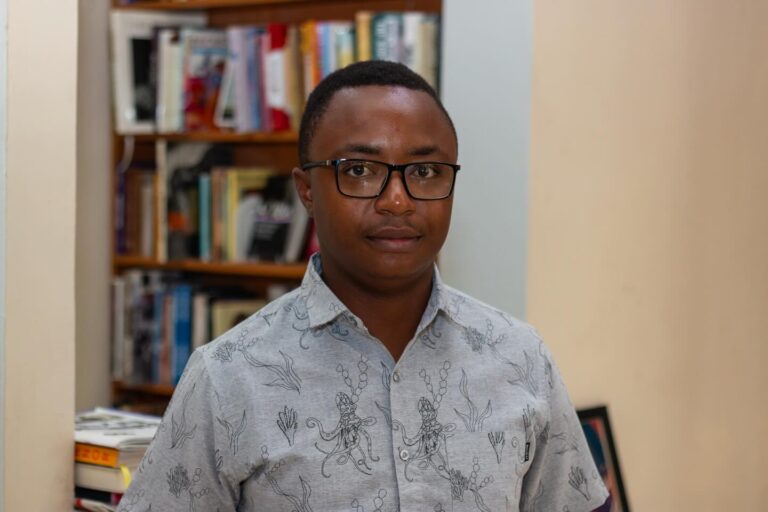
Zimbabwean writer Simbarashe Kundizeza has denied allegations that artificial intelligence (AI) was used to write his Caine Prize-winning short story after a report citing AI-detection software claimed the work was entirely machine-generated.
Kundizeza, who last week won the prestigious US$13,000 Caine Prize for African Writing for his short story The Blue Fighter, said he was the sole author of the work and had extensive documentation showing how it was developed.
“For the avoidance of doubt, I wrote The Blue Fighter,” Kundizeza said in a statement posted on X.
The allegations emerged after an article published by The Atlantic cited results from AI-detection tool Pangram, which reportedly assessed the story as being fully AI-generated. The article, titled Yet Another Prize Winner Seems to Be AI, was published days after Kundizeza’s victory.
The controversy has prompted the Caine Prize to conduct an internal review.
Chair of the prize’s board of trustees, Ellah Wakatama said organisers were gathering documentation from the author, including draft versions of the story, while consulting judges and The Shallow Tales Review, the literary publication that first published The Blue Fighter in 2025.
Kundizeza said he had a “concrete, documented history” detailing the inspiration, research and development of the story.
His winning story follows a boy struggling to navigate economic hardship after his family falls on difficult times. The judges praised the work for its emotional depth and storytelling, awarding it this year’s top prize from a shortlist of leading African writers.
Widely regarded as Africa’s leading literary prize for short fiction, the Caine Prize recognises outstanding creative writing by African authors published in English.
Since its establishment in 2000, the award has helped launch the international careers of several prominent African writers.
JN/APA