





In response to the resurgence of jihadist violence in the Sahel region, the U.S. Africa Command is calling for
strengthened regional security cooperation and intelligence sharing.
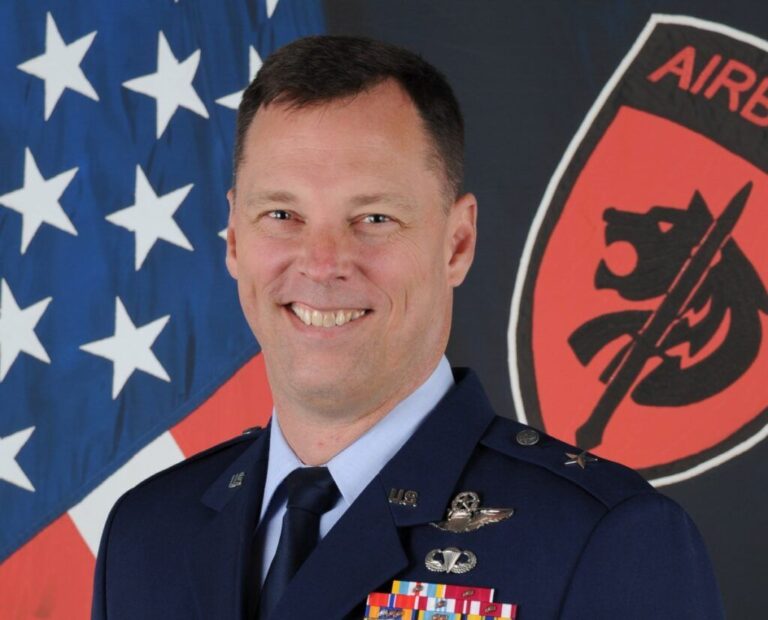
The United States Africa Command (AFRICOM) warned on Tuesday of the worsening security threat in the Sahel, marked by the expansion of jihadist groups affiliated with al-Qaeda and the Islamic State, and called for enhanced cooperation with regional partners.
During a digital press briefing, AFRICOM Commander General Dagvin RM Anderson cited Jama’atu Nusrat al-Islam wal-Muslimin (JNIM), an al-Qaeda affiliate, as one of the main actors contributing to insecurity in the Sahel, highlighting the increasing pressure these groups are exerting on the region’s states and capitals.
According to General Anderson, the deteriorating security situation in the Sahel is transnational in nature and threatens to spread to the coastal countries of the Gulf of Guinea. He stressed the need for a collective response, based on intelligence sharing, surveillance capabilities, and improved regional coordination.
The head of AFRICOM reaffirmed that the United States prioritises partnerships with “willing and capable” countries, citing Nigeria as an example of enhanced cooperation in the fight against terrorism in West Africa and the Sahel.
In addition to security operations, AFRICOM supports the development of centres of excellence in North Africa, particularly in Morocco and Tunisia, to strengthen the training and interoperability of African forces in the face of evolving threats.
For his part, Sergeant Major Garric M. Banfield, a senior non-commissioned officer with AFRICOM, emphasised that the persistent instability in the Sahel fosters the establishment of violent extremist organisations, reiterating that “security remains an essential prerequisite for stability and economic development.”
This warning comes as, just days before this press conference, the Islamic State group claimed responsibility for an attack on Niamey airport, while its rival, JNIM, continues its operations against fuel convoys in Mali, killing several drivers.
This illustrates the persistence and diversification of the methods used by jihadist groups in the region.
AC/Sf/fss/as/APA