





Algeria has embraced Artificial Intelligence to streamline the university placement process for high school graduates, as part of a broader strategy to align higher education with labour market needs.
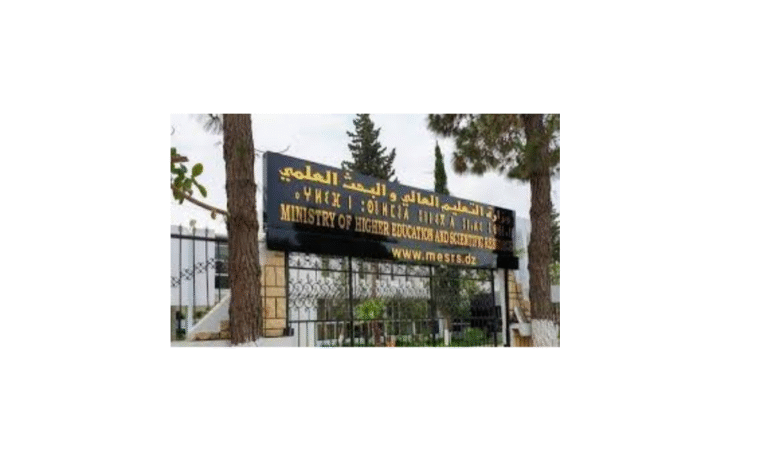
Algeria’s Ministry of Higher Education reported strong results following the first phase of university orientation for the 2025 baccalaureate cohort. Out of 340,901 students who passed the national exam this year, more than 97% received university placements within the designated timeframe. According to El Watan, this achievement was made possible by the large-scale integration of AI-powered decision-making for the first time.
Minister Kamel Baddari said 70% of students were admitted to one of their top three choices, a result he framed as a sign of both equity and satisfaction. The system is based on a matching algorithm that takes into account students’ preferences, academic performance, and the intake capacity of institutions. The aim is to optimise enrollment flows and reduce mid-cycle program transfers, which often place a strain on both human and material resources.
As part of a broader employment-oriented approach, the ministry also announced that around 40,000 students will be guaranteed job placement in the education and healthcare sectors upon graduation. This alignment between academic pathways and tangible job prospects reflects a strategic push to rationalise state resources and address society’s most urgent needs.
Meanwhile, official data shows that nearly 65% of new students are now enrolling in scientific and technological fields, with a noticeable decline in interest in literary and legal disciplines. Emerging programs in drone technology, cybersecurity, nanotechnology, and quantum computing are rapidly gaining traction.
These trends underscore Algeria’s ambition to position its universities on the global innovation map, amid rising regional competition in science and technology.
MK/sf/ac/lb/as/APA