



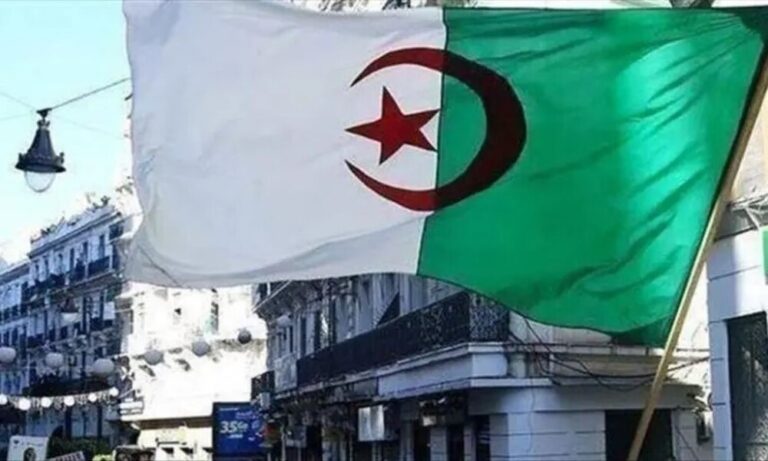
With the July 2, 2026, legislative elections fast approaching, Algeria’s major political parties are intensifying their ground operations and internal mobilization.
The Secretary General of the National Liberation Front (FLN), Abdelkrim Benmbarek, recently convened candidacy supervisors to emphasize the necessity of strict adherence to legal standards and the elimination of favoritism. This push for internal discipline is framed as both a political and ethical responsibility aimed at correcting previous organizational shortcomings and ensuring party cohesion ahead of the vote.
As the campaign gains momentum, other political formations are also finalizing their strategies. The Socialist Forces Front (FFS) has scheduled its National Council for April 24 to adopt a formal electoral platform, while Monder Bouden of the National Democratic Rally (RND) has positioned the upcoming election as a critical reflection of the popular will. These parties are operating within a broader institutional discourse that prioritizes national stability, with the RND reaffirming its support for President Abdelmadjid Tebboune’s agenda and the El-Binaa Movement focusing on sovereignty and education.
While some groups, such as the El-Moustakbal Front, are attempting to diversify their messaging by highlighting broader themes like international dialogue and openness, significant challenges remain regarding voter engagement. Despite the high level of partisan activity, observers note that a fragmented political landscape and persistent concerns over the credibility of the process continue to weigh on the public’s appetite for mobilization. The National Independent Election Authority has already established strict regulatory frameworks, including requirements for youth and female representation, yet it remains to be seen if these structural changes will be enough to overcome voter apathy before the July polls.
MK/AK/Sf/lb/abj/APA