



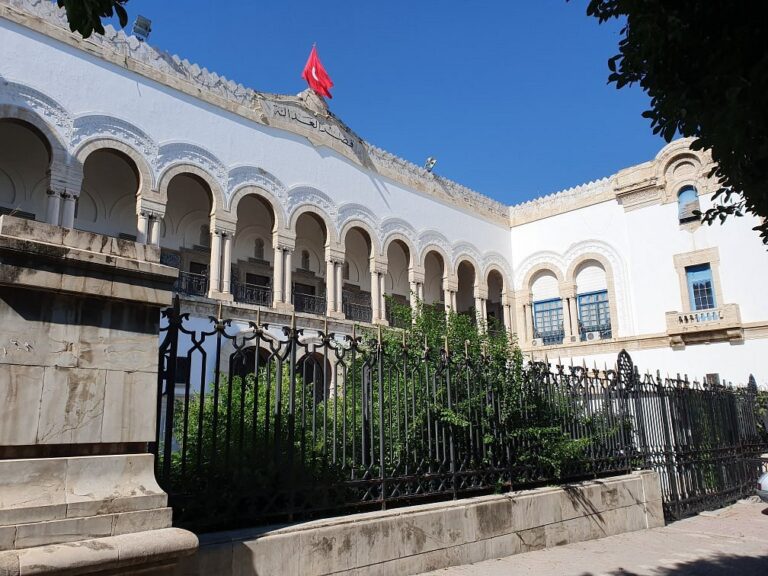
The sensitive Tunisian trial known as the “Conspiracy Against State Security No. 1,” which has been ongoing since 2023, has taken a dramatic turn.
As the initial November 27 verdict date approached, defense lawyers revealed that the bulk of the prosecution’s case rests on documents provided by Algerian security authorities. This late discovery has ignited questions regarding Algeria’s motives and Tunisia’s judicial sovereignty.
The verdict, initially expected this week, has been postponed to an exceptionally sooner, undisclosed date—a sign of the unusual and accelerated pace the Tunisian justice system is employing in this high-profile case.
Defense attorney Amine Bouker, representing several of the accused, indicated that lawyers only gained access to certain crucial parts of the evidence at the last minute. The defense argues that this accelerated pace prevents a thorough examination of the documents, which form the backbone of the entire investigation.
While the exact content of the documents provided by the Algerian security services has not been publicly disclosed, their central role fuels speculation about broader Algerian involvement in this highly political affair.
This situation underscores a complex relationship between Tunisia and Algeria. Although the two countries maintain close security cooperation, many observers view the dynamic as having become asymmetrical in recent years, heavily favoring Algiers.
The trial takes place amid already tense political conditions in Tunisia, marked by a series of conspiracy cases opened since 2023. Authorities accuse the defendants—who include opposition figures, public personalities, and activists—of planning actions aimed at destabilizing the state. The defense, meanwhile, denounces politically motivated procedures designed to neutralize any challenge to the power of President Kais Saied, who has ruled by decree since 2021.
The presence of foreign documents in such a substantial case has intensely reignited the debate on Tunisian judicial sovereignty and the growing influence of its neighbor’s internal affairs. Experts suggest that Tunis, facing a severe economic crisis, has forged closer ties with Algiers in the energy, financial, and security sectors, creating a relationship of dependence that could be influencing sensitive judicial decisions.
With the outcome postponed, the case remains a major focal point for political and diplomatic tensions. Defense lawyers have announced plans to file new motions, while human rights organizations continue to call for a fair trial and full transparency regarding the sources of the accusations.
MK/ak/ac/Sf/fss/abj/APA