



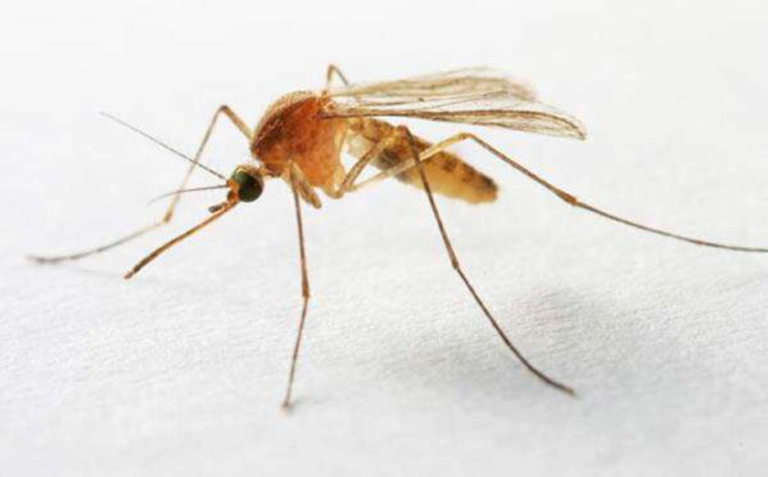
President Duma Boko on Thursday called for a nationwide mobilisation against malaria after Botswana recorded a sharp rise in infections and deaths over the past two years, warning that the disease threatens the country’s social and economic progress.
Speaking at the launch of the Botswana End Malaria and Neglected Tropical Diseases (NTDs) Council in Tlokweng, Boko urged greater community participation, increased domestic financing and a whole-of-society response to eliminate malaria and other preventable diseases.
“Malaria and NTDs pose a threat to Botswana’s socio-economic progress, yet they can be eradicated,” Boko said.
The president, who also chairs the African Leaders Malaria Alliance, cited climate change, insecticide and drug resistance, the spread of invasive mosquito species and declining donor funding as key challenges facing malaria control efforts.
He also highlighted gaps in community participation, revealing that about 1,000 households in the North-West District had refused indoor residual spraying earlier this year, while another 2,500 households could not be reached by health teams.
“These challenges command us to step up with greater urgency, accountability and absolute unity,” he said.
The call comes amid a worsening malaria situation in the country.
Assistant Health Minister Lawrence Ookeditse said malaria cases rose from 290 in 2024 to 2,451 in 2025 while deaths increased from two to 16 over the same period.
Botswana had already recorded 1,478 cases and 12 deaths in 2026 by the time of his address.
Drawing on Botswana’s Kgotla tradition of consultation and collective decision-making, Boko said community ownership would be critical to the success of anti-malaria campaigns.
“A top-down campaign is bound to fail, while a campaign owned by the community is sure to succeed,” he said.
The newly launched council is expected to coordinate leadership, financing and community mobilisation efforts ahead of Botswana’s peak malaria transmission season, which typically runs from October to May.
JN/APA