





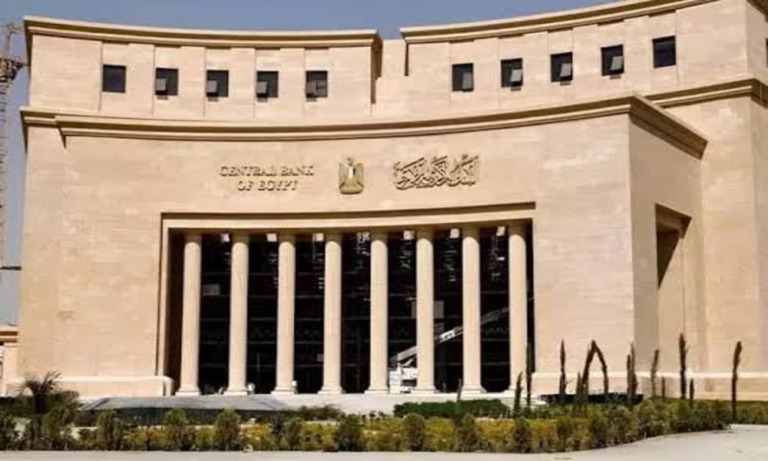
Egypt’s net international reserves reached $57.214 billion (about €49.2 billion) at the end of August, maintaining an upward trend, despite significant external funding needs.
Egypt’s stock of international reserves rose by $920 million (about €792 million) since July. The Central Bank has thus recorded a 47th consecutive month of growth and the 10th month above the $50 billion mark.
The reserves consist of foreign currency and gold. They are used, among other things, to finance imports, service external debt and mitigate shocks in the foreign exchange market.
This growth is supported by several sources of foreign currency, including remittances from Egyptian expatriates and tourism revenues.
The country welcomed a record 19.3 million visitors during the 2025-2026 fiscal year, while remittances reportedly reached $47.3 billion.
Suez Canal revenues rose by 23% year-on-year to $4.67 billion for the fiscal year, yet remain well below the $10.3 billion generated in 2023.
Insecurity in the Red Sea continues to weigh on this major source of foreign currency.
This record level of reserves enhances the state’s capacity to meet external payment obligations.
However, it is not the sole indicator of financial strength; debt trends, repayment schedules, foreign investment, and the import bill remain critical factors.
MK/AK/Sf/fss/gik/APA