





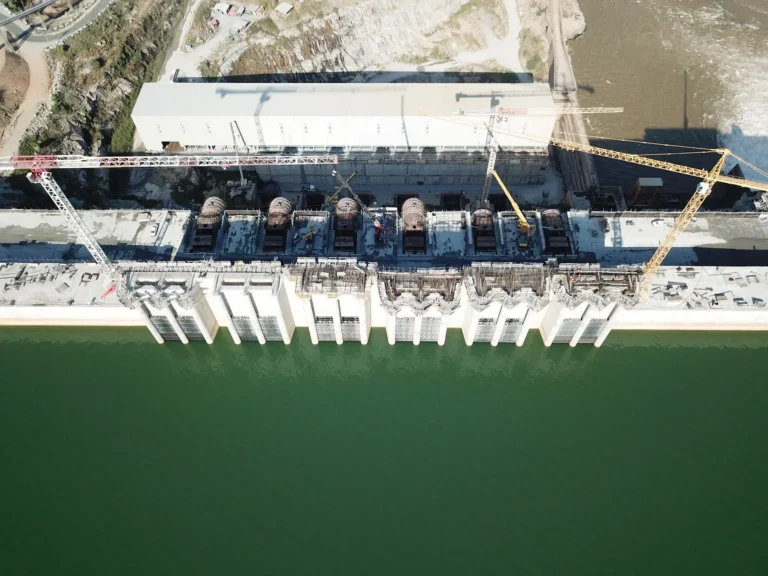
Growing water scarcity, recurrent droughts, and competing national interests could reignite tensions between Ethiopia and Egypt over the operation of the Grand Ethiopian Renaissance Dam (GERD), a new report by the Foreign Policy Research Institute (FPRI) has warned.
In a report issued earlier this week, FPRI outlined that under normal hydrological conditions, the dam’s operation is unlikely to significantly harm Egypt’s access to water. However, a prolonged multi-year drought, coupled with hostile political posturing by Ethiopia, could seriously strain bilateral relations.
The report explains that such conditions could deplete both the GERD and Egypt’s Aswan High Dam reservoirs, creating a period of acute vulnerability for Cairo and heightening the potential for escalation.
Beyond climatic variability, population growth and rising water demand in both countries are identified as structural drivers of tension. “Even without any change in GERD operations, Egypt’s growing population could push it below the absolute water scarcity threshold by 2030,” the report warns, adding that increased consumptive use or new upstream irrigation projects in Ethiopia could further complicate relations.
Cooperative water management and advanced drought planning are therefore key in alleviating Egyptian concerns and in establishing a viable future for all three riparian countries.
In a recent analysis, the U.S.-based think tank outlined multiple future scenarios, highlighting both the risks of escalation and the potential for cooperation through transparent and adaptive water management.
The report argues that Ethiopia’s Grand Ethiopian Renaissance Dam (GERD)—Africa’s largest hydroelectric project with a capacity of 5,150 MW—has significantly reshaped diplomatic relations in the Nile Basin. While the dam promises electricity for millions, its impact on downstream water flows continues to alarm Egypt, which relies on the Nile for nearly all its water supply.
The FPRI analysis stresses that long-term stability in the Nile Basin depends on transparency, data sharing, and cooperative water management. It urges binding but flexible agreements that account for shifting climatic conditions, rather than rigid fixed-flow treaties opposed by Ethiopia.
Key recommendations include regular hydrological data exchange; joint definitions of drought conditions to guide coordinated responses; periodic reviews to address demographic and climatic changes; and the creation of an independent conflict-resolution mechanism.
The report stresses that sustainable solutions require addressing broader structural challenges such as water loss, inefficient irrigation practices, and overreliance on the Nile.
Both countries are urged to diversify their water strategies—through desalination, wastewater recycling, and adoption of less water-intensive crops—to reduce dependency and prevent the GERD from becoming a perpetual source of regional instability.
MG/as/APA