



Confronted with a massive energy production deficit exceeding 1,000 megawatts, the Libyan government has ordered reinforced operational coordination between the national oil and electricity sectors to secure vital power supplies during the high-consumption summer period.
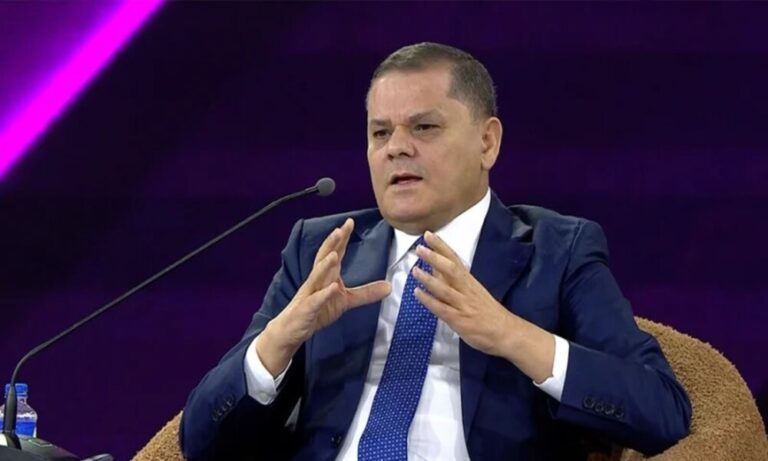
The Prime Minister of the Libyan Government of National Unity (GUN), Abdul Hamid Dbeibah, called an urgent weekend meeting between the National Oil Corporation (NOC) and the General Electricity Company of Libya (GECOL) after receiving a critical report detailing the severe fuel needs of the country’s power plants. The official government platform, “Hakomitna,” announced the emergency intervention, which aims to stabilize the national network and strictly limit electricity disruptions as temperatures and energy demands rise.
The sudden governmental directive comes directly in response to alerts from GECOL regarding persistent fuel shortages that have severely crippled the operations of several strategic facilities. The drastic reduction in fuel supplies has led to a significant drop in production capacity across multiple power plants, heavily weakening the overall balance of the electricity network. These operational difficulties are particularly impacting the Al-Khoms emergency power plant, the Al-Khoms gas power plant, and the Zahra power plant. Furthermore, GECOL reported noticeable drops in generation capacity at facilities located throughout the western mountains, Tobruk, northern Benghazi, southern Tripoli, and Misrata.
The public utility operator has detailed the severe consequences of these supply disruptions in a series of urgent letters addressed to the Prime Minister, the Attorney General, and the Administrative Control Authority. Describing the current crisis as entirely unprecedented, the company warned that rolling blackouts and load shedding could intensify dramatically during the hottest months of the year. GECOL has not ruled out the possibility of suffering partial or total grid collapses in certain regions if fuel deliveries continue to face delays. While the company claims it has maximized its efforts and exhausted all available internal mechanisms to secure the necessary fuel volumes, it emphasizes that a rapid, high-level intervention by state authorities is the only way to avoid a worsening economic, technical, and social crisis.
MK/AK/Sf/fss/abj/APA