





Madagascar is confronting a persistent and deeply entrenched leprosy crisis, with more than 1,700 new cases reported in 2024 and some remote districts recording detection rates far above the national average, according to new data from health authorities.
According to statistics released by Madagascar’s health authorities on Monday, between 1500 and 2000 new cases are reported every year, placing the country among the 23 priority countries for the World Health Organisation (WHO) in the fight against leprosy.
A total of 1,713 cases were reported in 2024 alone.
The district of Ambatoboeny, one of the country’s most affected areas, saw cases rise from 95 in 2024 to 132 in 2025 – an increase officials say reflects both the scale of the epidemic and the urgency driving intensified screening campaigns.
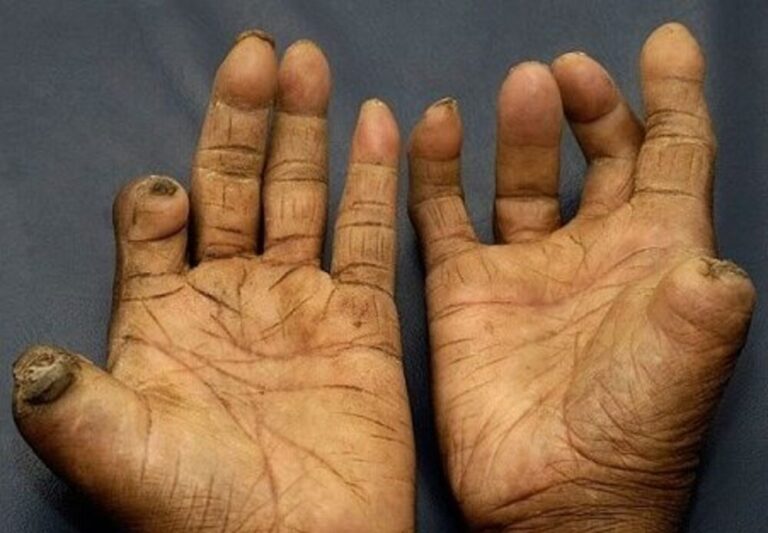
Leprosy remains endemic in 37 districts across 16 regions and late diagnosis continues to fuel disability, with nearly 350 people last year presenting with permanent impairments.
Health workers say geographical isolation, seasonal flooding and persistent stigma delay treatment and allow transmission to continue unchecked.
To counter these barriers, the Ministry of Public Health – supported by WHO and the Raoul Follereau Foundation – has expanded annual active screening campaigns in high‑burden areas.
“Highly isolated populations finally gain access to screening, treatment and information,” National Leprosy Control Programme head at the Ministry of Public Health, Lovasosa Mbolamanana Andrianiriana said on Monday.
“This is an essential step in reducing disabilities, restoring the dignity of affected persons and dispelling longstanding misconceptions.”
In Ambatoboeny, intensified efforts since 2023 have boosted early detection, with community health workers mobilising residents through radio messaging and local outreach.
During an awareness campaign held in November 2025, 16 new cases were identified among 91 people screened.
WHO is supporting Madagascar with clinician training, specialised diagnostic tools and free multidrug therapy, aligning national efforts with the global goal of eliminating leprosy by 2030.
““Reaching communities is essential to break transmission chains and protect the most vulnerable,” said WHO Representative Laurent Musango.
He said WHO is working with the Malagasy authorities to reduce disabilities linked to leprosy, break stigma and ultimately eliminate leprosy in the Indian Ocean island nation.
JN/APA