





Supply chain disruptions and critical input shortages are increasingly straining Mali’s 2026–2027 agricultural campaign, leading to the reallocation of thousands of hectares of farmland across the country’s southern agricultural heartland.
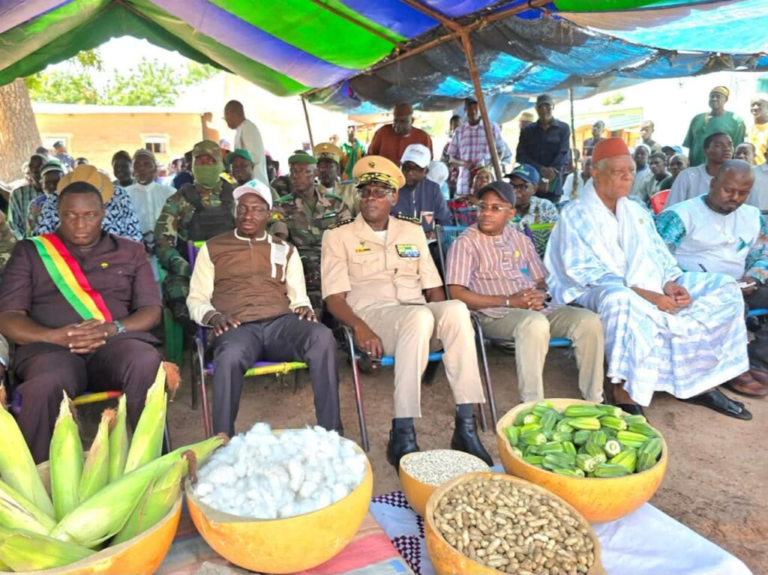
Following an inspection tour on September 5–6 by Agriculture Minister Ibrahima Samaké to the Dioïla region, the state-backed Malian Company for Textile Development (CMDT) confirmed that over 12,000 hectares near Fana have been converted to alternative land uses due to severe distribution delays and input deficits. Despite these setbacks and uneven rainfall, local officials noted that existing crops in major cotton and cereal belts remain in generally acceptable condition, even as total planted area slightly contracted compared to the previous cycle.
The local strain mirrors broader regional assessments, including an August evaluation by the UN Food and Agriculture Organization (FAO) indicating that available national fertiliser stocks met just 22% of actual demand. Steep price spikes recorded earlier in the year—averaging up to a 19% surge for urea—compounded access challenges previously flagged by farmers in western and southern districts. To support the current agricultural year, the government has committed 164.39 billion CFA francs (approximately €251 million) in pursuit of ambitious yield targets, aiming for 11.92 million tonnes of cereals and nearly 600,000 tonnes of seed cotton, a critical economic driver supporting millions of livelihoods.
Production efforts face compounded pressure from erratic weather patterns and persistent security issues that disrupt transit routes, field access, and market supply lines in central and northern regions. In response to the input shortfall, targeted relief arrived on September 2 with a 1,000-tonne delivery of diammonium phosphate fertiliser from Morocco, earmarked primarily for key rice-producing zones under the Office du Niger irrigation system. While total grain output during the prior campaign surpassed five-year averages, humanitarian tracking shows that ongoing regional instability and distribution bottlenecks left roughly 1.56 million people confronting severe food insecurity during mid-2026.
MD/te/Sf/lb/abj/APA